Morocco travel designed by locals delivered personally
Boutique Morocco Tours for travelers want depth, not crowds
It's More Extraordinary with Sarah Tours
Sarah Tours is the company people think of when they want customized tours in Morocco. We believe that travel is more than just ticking off destinations from a list. It's about immersing yourself in the heart of each place, to truly discover a destination. Our incredible adventures span all seven continents and allow you to delve deeper with local immersion, exploring not just the iconic sights but also the hidden corners known only to the locals, sustainable and immersive journeys.
Free cancellation
Enjoy peace of mind with our flexible booking policy - cancel with advance notice and receive a complete refund for your scheduled experience.
Why choose us
24/7 Staff Assistance
Whether near or far from home, your trip will be local led and full of immersive experiences, with small groups 6-12 people.
Meticulous Assessment
You deal with Morocco and trans-Africa's best specialists for immersive and sustainable tours and expeditions.
Budget Tours
Multiple choices of tours and active overland trips with best offers for all budgets All through Africa.
Adventure Articles
Active Travel and Tours
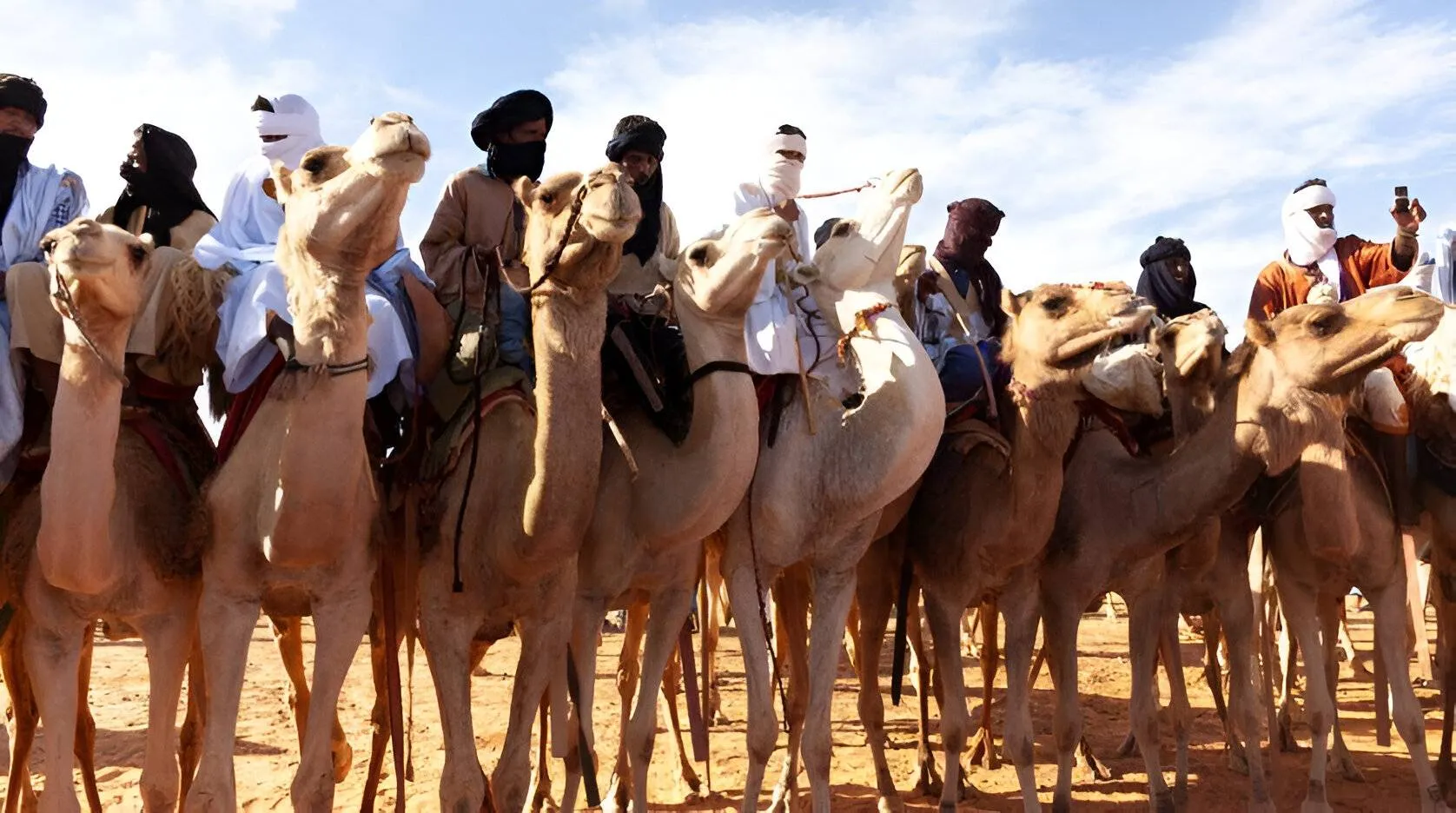
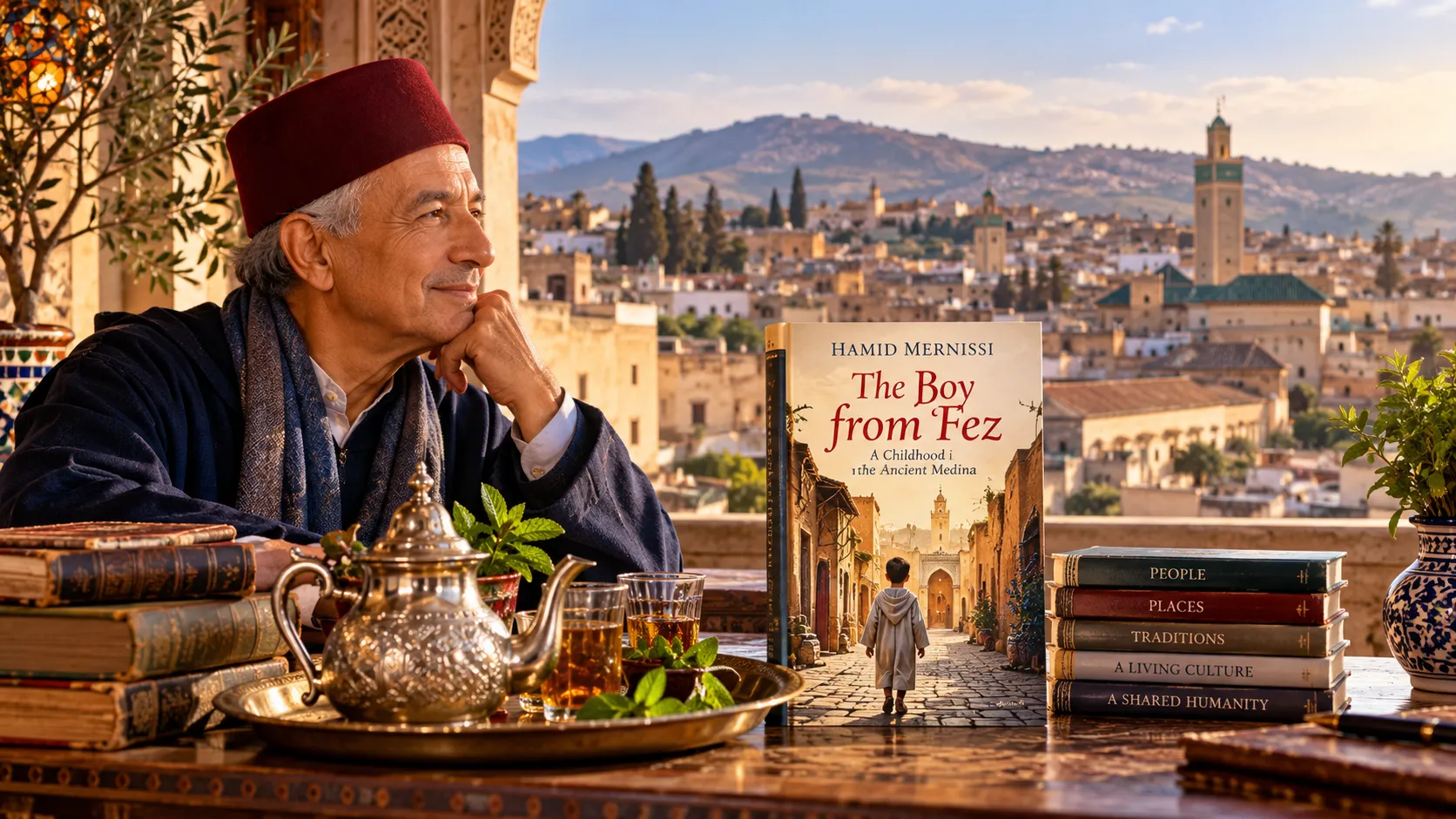
Active Travel as a Cultural Practice Active travel is often misunderstood. It is frequently reduced to effort, performance, or adventure for its own sake. But in its deeper sense, active travel is not about doing more — it is about perceiving more. At Sarah Tours, we understand active travel as a cultural practice: a way to engage with landscapes, histories, and communities through movement, presence, and time. Movement as a Way of Knowing Before maps, before borders, before vehicles, humans understood the world by moving through it. Walking, riding, and crossing landscapes were not activities; they were methods of survival, trade, communication, and learning. Active travel reconnects us to our original relationship with place. Walking slows perception. Riding restores rhythm. Overland travel gives distance its meaning. When the body is involved, understanding deepens. Walking, Hiking, and Trekking: Attention in Motion Walking is the most human pace of travel. It allows us to notice transitions — in architecture, vegetation, language, and social life — that faster travel erases. In this sense, hiking and trekking are not sports. They are forms of attention. They allow conversation, silence, observation, and repetition. They welcome all ages and abilities when designed with care. Walking teaches us that landscapes are not scenery; they are lived spaces shaped by history and daily labor. Horse and Camel Riding: Following Ancient Rhythms Horseback and camel travel are not novelties. They are historical modes of movement, deeply tied to trade routes, migration, and survival. Following animal trails is a way to read the land as it was once read by water sources, passes, winds, and the distance between rest points. These journeys access regions that mass tourism never reaches, not because they are hidden, but because they require patience and respect. Here, movement becomes memory. Overland Travel: Restoring Meaning to Distance Overland travel is not about comfort or speed. It is about transition. Traveling by truck or Land Cruiser across natural and historical landmarks restores a sense of scale. Borders are crossed slowly. Landscapes unfold gradually. Cultures shift in ways that feel earned rather than consumed. In small groups, overland journeys become shared learning spaces — where geography, history, and human adaptation reveal themselves between destinations. Active Travel Is Not About Age or Performance One common misconception about active travel is that it is for the young or the extreme. In truth, active travel is about attitude, not endurance. At Sarah Tours, journeys are adapted, not imposed. Effort and leisure coexist. Rest, nourishment, and rhythm are as important as movement. This allows travelers of diverse ages, abilities, and interests to engage actively with the place in ways that feel respectful and sustainable. Leisure and Research Can Coexist Active travel can be restorative and joyful, but it can also be a method of inquiry. Walking through agricultural landscapes teaches about food systems. Crossing caravan routes reveals trade history. Camping in remote regions deepens ecological awareness. For travelers with academic, professional, or research interests, movement becomes a way of asking better questions — not from distance, but from within the landscape itself. Three Ways to Approach Active Travel Active travel can be understood through three complementary lenses: • Professionally — through thoughtful design, safety, pacing, and logistics • Academically — through human geography, history, ecology, and anthropology • Philosophically — through reflection on time, body, presence, and perception These approaches are not separate. Together, they form a comprehensive approach to engaging the world. A Different Understanding of Activity Active travel, as we practice it, is not about accumulation or achievement. It is about learning through movement. It asks us to slow down, to notice, and to let the body become a bridge between landscape and understanding. It reminds us that travel does not begin with arrival; it begins with how we move. This is not an adventure for its own sake. It is engagement, practiced carefully. By Hamid Mernissi
Travel Learning and Travelers
When Travel Becomes Learning Travel has always been one of the most powerful ways to educate oneself—at least in my own belief. Not because it provides answers, but because it teaches us how to ask better questions. When travel becomes learning, it stops being a sequence of experiences and becomes a process of attention. The road is no longer something to cross quickly; it becomes a classroom without walls, where lessons are subtle and often unannounced. Learning Begins When Certainty Ends The moment travel teaches us something real is often the moment we feel slightly lost. Not lost geographically, but internally—when familiar references no longer apply. Languages shift. Gestures mean something else. Time behaves differently. What once felt obvious becomes uncertain. This discomfort is not a failure of planning. It is the beginning of learning. From Information to Understanding Many people travel well-informed. Few travel well-prepared to understand. Information tells us what something is. Learning asks why it exists, how it came to be, and what it means to those who live with it daily. When travel becomes learning: • monuments are no longer isolated facts • traditions are not performances • food is not just taste, but memory and geography • landscapes are read as history, not scenery Understanding requires time, repetition, and humility. The Classroom of Daily Life The most meaningful lessons in travel rarely happen during scheduled visits. They happen: • in kitchens • on walks between places • in markets • during shared meals • in pauses and silences Daily life teaches what institutions cannot. It reveals values, priorities, and relationships—often without explanation. When we learn to observe these moments, travel begins to educate us beyond the surface. Listening as a Method Learning through travel depends less on asking questions and more on listening well. Listening to: • tone rather than words • rhythm rather than schedules • what is said—and what is avoided Good listening requires patience. It also requires letting go of comparison. When we stop measuring places against what we already know, we allow them to speak in their own language. Learning Also Means Being Changed Education that leaves us unchanged is incomplete. When travel becomes learning, it affects how we: • see our own habits • question our assumptions • relate to difference • return home Sometimes the lesson is gentle. Sometimes it is unsettling. Both are valuable. Travel as Ongoing Education This kind of learning does not end at the airport. It continues: • in how we tell stories • in what we value afterward • in how we choose to travel again Travel becomes part of a lifelong education—one that has no diploma, only awareness. A Quiet Conclusion Not all travel needs to teach. Rest, pleasure, and joy have their place. But when travel becomes learning, it offers something rarer: a chance to grow without being instructed, to understand without being told, to change without being forced. In a world full of information, learning remains a privilege. Travel, approached with attention and humility, is still one of its finest teachers. Travel learning
Small Group Tours or Private Journeys
Small Group Tours or Private Journeys? Finding the Right Path to In-Depth Cultural Encounters In-depth cultural travel is not defined by comfort, speed, or even distance. It is defined by how we meet people, how we listen, and how much space we allow for understanding. One of the most common questions travelers ask us at Sarah Tours is whether a small-group tour or a private, customized journey offers a deeper cultural experience. The honest answer is not simple—both can lead to meaningful encounters, but each has its limits. What matters most is not the format but the traveler’s temperament, expectations, and life stage. Culture Is Not Consumed the Same Way by Everyone Some people understand a place through conversation and shared reflection. Others need silence, intimacy, and personal rhythm. Culture does not reveal itself on command. It opens differently depending on who is standing in front of it. This is why group size alone never guarantees depth. Small Group Tours (6–12 Travelers): Shared Discovery Small group tours create a particular kind of energy, one that mirrors traditional ways of learning: walking together, eating together, listening together. Advantages of Small Group Cultural Tours Small groups are often ideal for travelers who: • enjoy exchanging perspectives with others • learn by listening and observing different reactions • feel enriched by collective moments • appreciate a guided rhythm without rigidity In cultural contexts, small groups can: • feel less intimidating for local communities • create warm, collective interactions • encourage dialogue and storytelling • balance structure with spontaneity A well-designed small-group tour allows travelers to engage with culture together, which can deepen understanding rather than dilute it. Limitations to Consider Small groups may not suit everyone. They can be less ideal for travelers who: • require complete control over timing and pacing • need long periods of solitude • have very specific personal interests or research goals Honesty matters here. Group travel, even when small, always involves shared rhythm and compromise. Private Customized Tours: Depth Through Focus Private journeys offer a different kind of intimacy. They allow the experience to unfold at the traveler’s internal pace rather than the group’s collective one. Advantages of Private Cultural Journeys Private tours are often ideal for travelers who: • seek deep, uninterrupted conversations • want maximum flexibility • prefer silence or reflection between encounters • travel for personal, spiritual, or academic reasons Culturally, private travel allows: • longer stays in fewer places • deeper relationships with individuals • adaptability to mood, energy, and curiosity • space for unplanned moments For some travelers, this focused environment allows culture to surface more quickly and more personally. Limitations to Acknowledge Private travel also has its limits. It can: • reduce exposure to multiple perspectives • feel intense for those who process externally • lack the shared energy that helps some travelers contextualize what they experience Depth does not always require privacy—sometimes it requires company. An Honest Truth About Cultural Depth Here is a truth we have learned through years of designing journeys: Sometimes culture is better understood in company. Sometimes it reveals itself only in solitude. Neither approach is superior. They simply serve different ways of being in the world. The Sarah Tours Approach: Advising, Not Selling At Sarah Tours, our role is not to push travelers toward one format or another. Our responsibility is to listen first, then guide. We design: • small group journeys for travelers who grow through shared experience • private customized journeys for those who need space, flexibility, and focus Both are built with the same principles: • slow pacing • respect for local communities • meaningful encounters • time to walk, eat well, reflect, and listen Choosing the Right Journey The right journey is not the one with the perfect itinerary. It is the one that respects who you are right now. Some travelers begin with groups and later seek solitude. Others start privately and later enjoy sharing the road. Cultural travel is not a formula. It is a relationship. And like all relationships, it works best when entered with honesty.
Sustainable Travel in Morocco
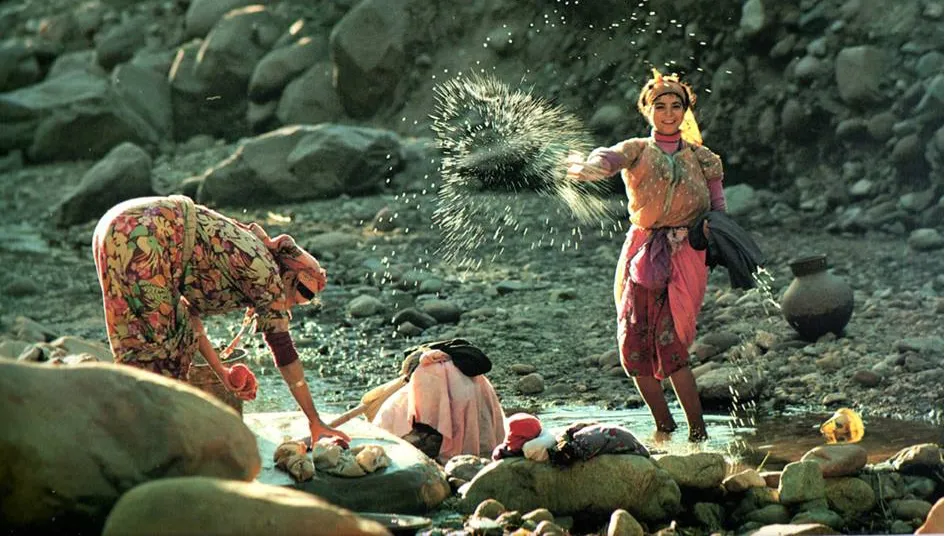
Sustainable Travel in Morocco: Returning to the Land That Gives Sustainable travel is often discussed as an idea. For us, it begins as a commitment to place. A few miles south of Fez, between B’Halil and the Marmoucha plateau, the land opens quietly into cedar forests, open skies, and agricultural rhythms that have changed little over generations. This is where I recently acquired a small piece of land — not to develop it quickly, but to live with it. The vision is simple and deliberate: an eco-lodge and retreat space, rooted in the landscape, inspired by Berber life, and designed for people who seek nature, silence, movement, and contemplation rather than distraction. This will not be a resort. It will be a shared place. Living Where We Work I will be living on this land. That choice matters. Sustainability, for us, is not an offset or a label — it is accountability. When you wake up where you build, you listen differently. You notice the seasons, the water, the soil, the needs of the people who farm nearby. The surrounding area remains remarkably clean, cared for by its inhabitants. What it needs now is not correction, but support: thoughtful tree planting, respect for existing ecosystems, and economic continuity that allows people to stay rooted rather than leave. Travel That Gives Back — Tangibly Through Sarah Tours, we are committing that at least 25% of our profits will be directed toward supporting women farmers in the Beni Sadden area. These women are not beneficiaries — they are custodians of land, seed, and knowledge. Supporting them means: strengthening local agriculture preserving food traditions encouraging sustainable farming practices creating dignified income within the community Travel, when done well, should circulate value locally, not extract it. Nature, Movement, and Reflection The retreat space will welcome: travelers who love nature and simplicity walkers, hikers, and contemplative minds those curious about rural Morocco beyond postcards Activities will be gentle and intentional: walking, observing, learning, eating well, planting trees, and sharing time. The goal is not productivity, but presence. Here, sustainable travel becomes personal. You don’t visit the land — you spend time with it. Why This Matters Morocco does not need more tourism. It needs better relationships with place. By investing in rural communities, protecting landscapes, and designing travel experiences that honor slowness and care, we believe tourism can become a tool for regeneration rather than consumption. This project is small by design. But small, when rooted, can endure. A Quiet Promise This land will be shared with humility. Its growth will be slow. Its success will be measured not in numbers, but in continuity — trees planted, women supported, soil respected, and visitors who leave changed rather than entertained. This is sustainable travel as we understand it: living where we invite others to come.
Become an insider
Get insider tips, travel inspiration, and exclusive offers you won't find anywhere else — sign up now!