Taza: Morocco's Forgotten Frontier
Some cities announce themselves loudly. Others reveal themselves slowly. Taza belongs to the second category. For many travelers, Taza is simply a city passed on the road between Fez and Eastern Morocco. Cars stop briefly for coffee, fuel, or lunch before continuing their journey. Few realize that they are crossing one of Morocco's most strategic, historic, and culturally fascinating regions.
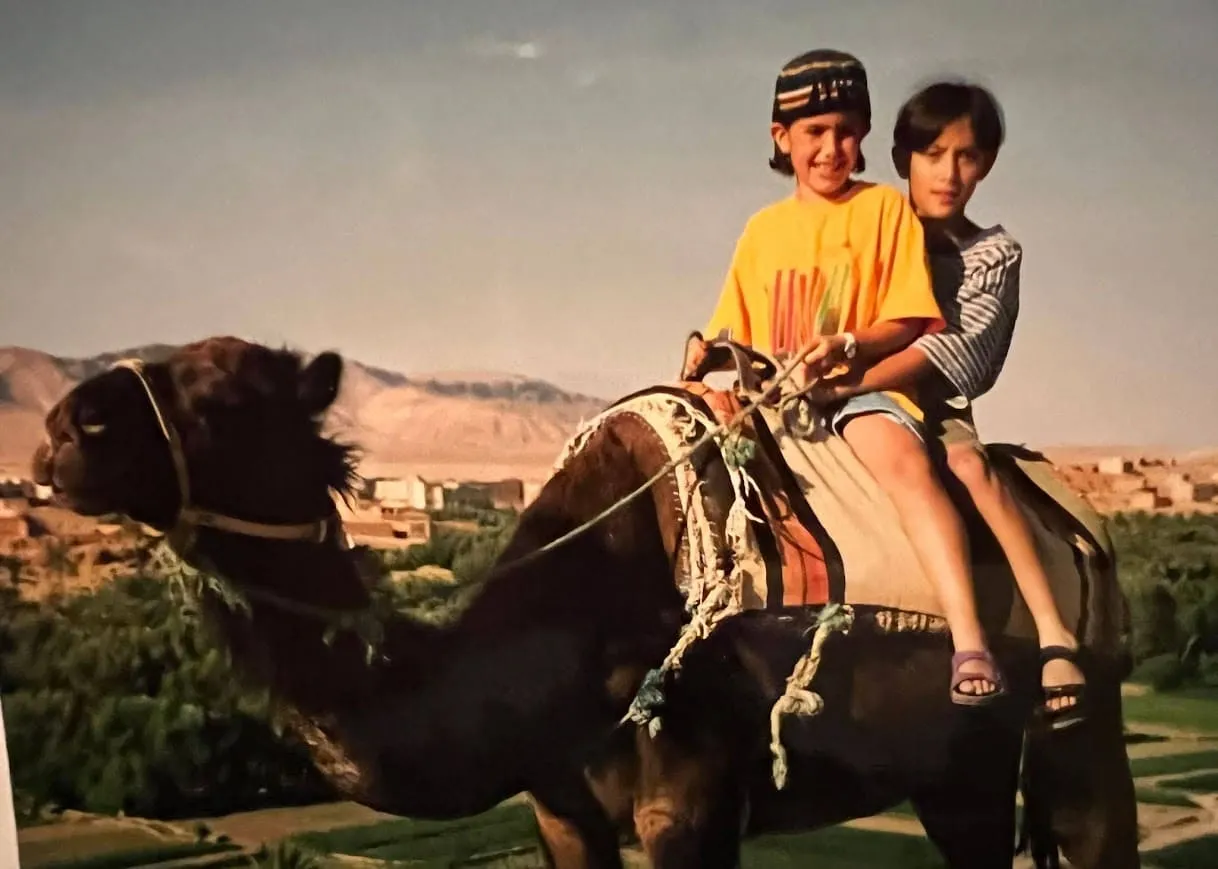
I have traveled through Taza since childhood. The more I visited, the more I wondered why this remarkable region receives so little attention compared to other destinations in Morocco. It possesses a combination of history, geography, culture, mountains, forests, caves, and rural traditions that is difficult to find elsewhere in the country.
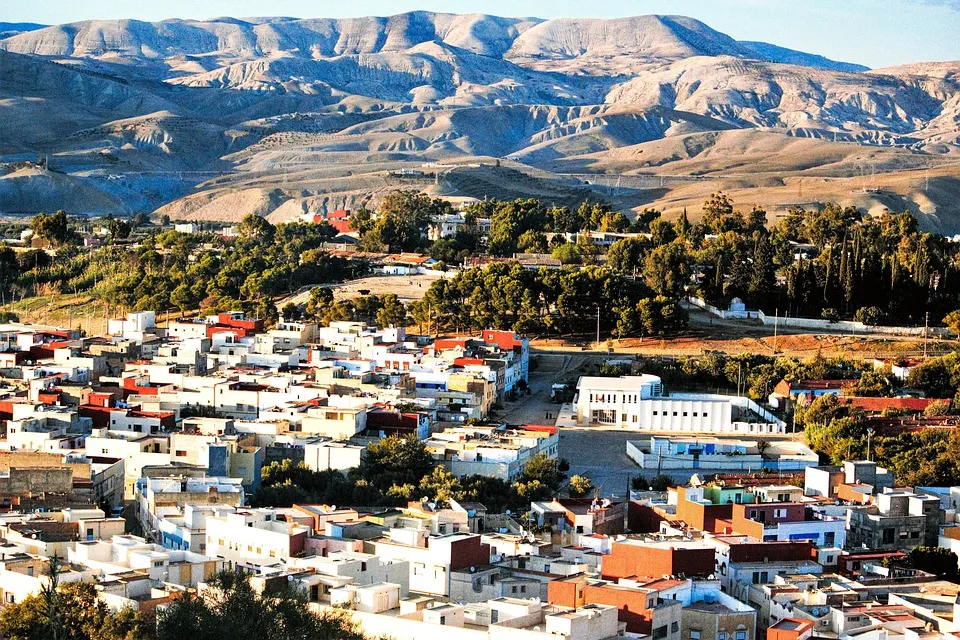
Taza is not merely a city. It is a gateway. For centuries it controlled the famous Taza Corridor, the natural passage connecting western Morocco with the eastern regions of North Africa. Nestled between the Rif Mountains and the Middle Atlas, this narrow passage shaped the movement of armies, traders, pilgrims, shepherds, dynasties, and entire civilizations.
Whoever controlled Taza controlled one of Morocco's most important crossroads. The historical heart of the city is known as Upper Taza, or Taza al-Olya. Built upon a rocky ridge overlooking vast plains and mountain landscapes, the old city commands spectacular views in every direction. Its narrow streets, traditional homes, ancient walls, and historic gates still preserve the atmosphere of a Morocco largely untouched by mass tourism.
Walking through Upper Taza is like stepping into a forgotten chapter of Moroccan history. The city's Great Mosque, built during the Almohad period by Abd al-Mu'min in the twelfth century, remains one of the most important monuments of the region. Nearby stand the historic gates of Bab al-Rih, Bab al-Jum'a, and Bab al-Moula al-Hassan, silent witnesses to centuries of political change and human activity.
The Marinid Kasbah, defensive towers, traditional fountains, and public bathhouses remind visitors that Taza was once a vital center of administration, learning, commerce, and military strategy. Yet history is only part of Taza's story. Anthropologically, the region is fascinating. The mountains surrounding Taza have long served as a meeting point between Arab and Amazigh communities. Tribal traditions, agricultural practices, pastoral life, local architecture, oral history, and religious culture continue to shape everyday life.
The region produced scholars, jurists, saints, and Sufi masters. Zawiyas and Quranic schools played an important role in transmitting knowledge, spirituality, and social values from one generation to another. Places such as the Zawiya of Sidi Ayyad and the Zawiya of Bouhali remain part of the region's living heritage.
Beyond the city walls begins another world. This is a paradise for travelers seeking authentic outdoor experiences. The surrounding mountains offer exceptional opportunities for hiking and trekking. Dense forests of cedar and oak shelter abundant wildlife. Hidden valleys reveal isolated villages where life still follows the rhythm of the seasons.
One of the region's greatest natural treasures is the famous Friouato Cave, one of the deepest and most impressive cave systems in North Africa. Descending into its vast underground chambers feels like entering another universe entirely. For nature lovers, photographers, birdwatchers, anthropologists, and hikers, Taza offers an extraordinary diversity of landscapes rarely associated with northern Morocco. What attracts me most, however, is not a monument or a mountain. It is the authenticity of the people.
The inhabitants of Taza are known throughout Morocco for their hospitality, simplicity, and attachment to their traditions. Visitors quickly discover a region where conversations are genuine, where tea is offered naturally, and where local life has not yet been transformed into a performance for tourists. In an age when many destinations compete for attention, Taza remains refreshingly itself. Perhaps that is why I continue to return. Taza does not overwhelm the visitor with spectacle. Instead, it rewards curiosity. It invites travelers to slow down, walk, listen, and discover. Those who make the effort soon realize that Taza is not a place one merely passes through.
It is a place worth stopping for. A place where geography shaped history, where history shaped culture, and where culture remains deeply connected to the land. For travelers seeking meaningful encounters, magnificent mountain scenery, rural tourism, cave exploration, and a deeper understanding of Morocco, Taza remains one of the country's most overlooked treasures. Not forgotten by history. Only waiting to be rediscovered.
The greatest treasures of Morocco are not always those that appear in guidebooks. Some remain hidden among mountains, forests, caves, and forgotten pathways. Taza is one of those treasures. Not waiting to be invented, developed, or transformed. Simply waiting to be discovered.
Hamid Mernissi All rights reserved