The Chiadma of Morocco: Where Genealogy Meets Memory
Subtitle: Between Masmuda ancestry, Regraga spirituality, and the Atlantic plains of Essaouira, the story of Chiadma refuses to fit neatly into a single family tree.
And I would rewrite it this way: The Chiadma of Morocco: Where Genealogy Meets Memory
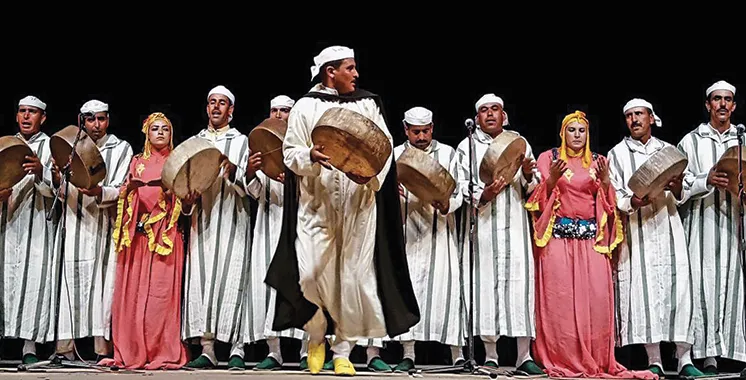
Travel north from Essaouira toward Safi and the landscape begins to tell a quieter story of Morocco. The Atlantic remains somewhere to the west. Inland stretch plains, villages, fields, and the sacred geography of the Regraga. This is Chiadma country, a land whose identity has been carried not only through written history, but through genealogy, pilgrimage, tribal memory and generations of belonging.
But ask a seemingly simple question, Who are the Chiadma?, and history answers with several voices.
Some old genealogical traditions place the Chiadma among the great Masmuda Amazigh confederation of western Morocco. Other writers associated them with Zenata or Butr ancestry. Still other accounts describe a population formed over centuries through the meeting and incorporation of Amazigh and Arab tribal elements.
Perhaps the disagreement tells us something important about Morocco itself. A tribe is not always a branch that can be followed neatly back to a single trunk. Sometimes it is a river.
An Old Amazigh Genealogy One tradition identifying Chiadma with the Masmuda is preserved by Abu Muhammad Abd al-Salam al-Qadiri, drawing on an older genealogical source attributed to Muhammad ibn Abi al-Majd al-Masmudi. In that genealogy, Chiadma appears among Masmuda groups alongside names such as Jazula, Haha, Regraga, Ourika, Hintata and Doukkala.
Other Moroccan genealogical traditions followed a similar path. Al-Zammuri, cited by Al-Taqi al-Alawi in Usul al-Maghariba, associated Chiadma with Ourika and Ghigaya and described them as sharing an Amazigh ancestry. Yet medieval genealogy was rarely unanimous.
Ibn Juzayy placed Chiadma differently, associating them with Zenata, or more broadly with the Butr Berbers, and tracing their ancestry through Satafur ibn Matmat. Other genealogical traditions ultimately linked this lineage to Madghis ibn Barr, one of the great ancestral figures in accounts of Amazigh origins.
Such contradictions were hardly unique to Chiadma. Historians and genealogists also disagreed over how to classify other important North African peoples.
The disagreement should therefore not be treated as a historical inconvenience. It is part of the history.
Regraga: A Deeper Memory of the Land One element of the story is considerably clearer: the ancient presence of the Regraga.
Modern linguistic scholarship notes that before Arab tribal migrations into the region, the territory itself was known as Regraga. The Regraga are identified as an Amazigh group belonging to the Masmuda and were subsequently incorporated into the wider Chiadma population.
Their presence survives in something more powerful than genealogy: ritual.
Every spring, the Regraga Daour carries pilgrims through a sacred landscape of shrines and communities in the Essaouira region. Whatever one makes of the legends surrounding its earliest origins, the pilgrimage remains a living expression of the region's religious memory. Contemporary historical discussion distinguishes the spiritual legend of the Seven Saints from demonstrable history while recognizing Regraga's deep importance in Chiadma's religious life.
Here history is no longer merely something written in a manuscript. It walks. It visits. It remembers.
When Tribes Become Landscapes By the sixteenth century, European observers were also attempting to describe the peoples inhabiting western Morocco. Luis del Mármol Carvajal wrote about Chiadma and the populations of the wider Doukkala and Haha regions, although interpreting these early European categories requires caution.
Modern scholarship likewise complicates any simple declaration that today's Chiadma descend exclusively from one ancient confederation. Some Moroccan historical traditions describe Arab tribal components, including groups associated with Mudar, al-Harith and Maqil, alongside the Amazigh Regraga and Maskala.
That does not erase Chiadma's Amazigh history. Nor does Amazigh ancestry erase centuries of later migration, intermarriage, alliance, Arabization, and cultural exchange.
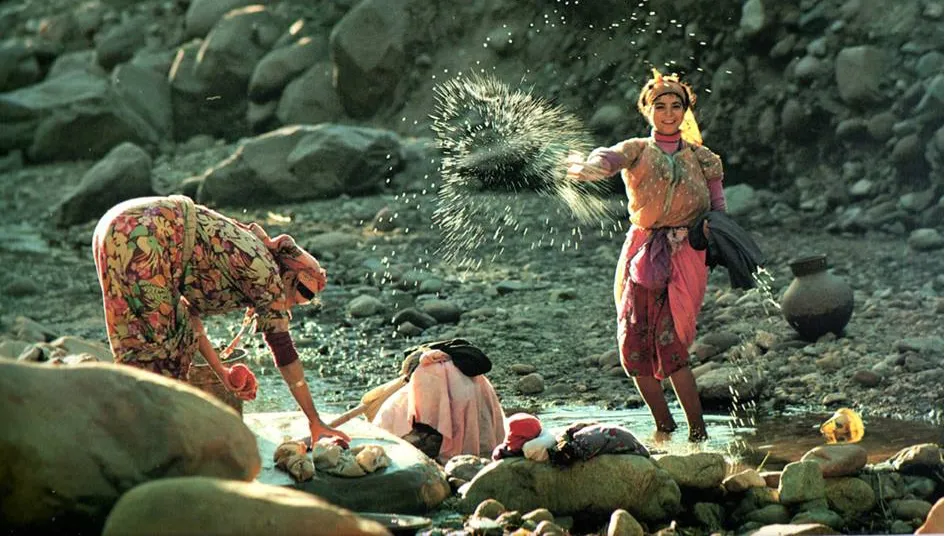
It reminds us instead that Moroccan identity was lived before it was classified. The historian wants a genealogy. The people inherit a landscape. Chiadma Beyond the Family Tree Perhaps this is why I find Chiadma more interesting when we stop asking only, Which branch did they belong to? Look instead at what survived. The sacred geography of Regraga. The villages between Essaouira and Safi. The pilgrimage routes. Agricultural life. Oral memory. Saints and sanctuaries. Amazigh inheritances alongside later Arab influences. Communities that absorbed newcomers without forgetting what came before.
The modern Chiadma territory lies along Morocco's Atlantic side north of Essaouira, while scholarship places the older Regraga landscape in this same region.
That landscape has witnessed dynasties rise and disappear, languages change, tribal alliances shift, and genealogists disagree. Yet the people remained. Perhaps that is the lesson Chiadma offers the traveler.
Identity is not always a straight line drawn backward through blood. Sometimes it is a place where many memories learned to live together. And in Chiadma, Morocco has been remembering for a very long time.