Spain
Spain & Andalusia Cultural Tours — Heritage Routes, Small-Group & Private Travel
Unlock the allure of Spain, a realm of unparalleled beauty and transformative journeys. Immerse yourself in a group tour to Spain, delving into its vibrant tapestry of hues and forms, leaving indelible memories reminiscent of paradise. Our mission is to cater to diverse travelers, revealing Spain's cultural and adventure wonders while embracing local zest for life and hospitality.
Delve deep into Spanish culture, history, and spirituality through our curated Spain Tours, igniting your wanderlust with a choice of premium tour packages. Enjoy guaranteed departures, intimate group sizes, and top-notch services at competitive rates, led by skilled Tour leaders and expert guides.
Secure your exceptional group tour experience at unbeatable prices. Tailor any of our Spain Group Tours into a private expedition, exclusively crafted for you. Explore budget-friendly Spain tours for 2024 and 2025, offering access to the marvels of this captivating destination.
Our Spain trips
Spain Cultural Tour
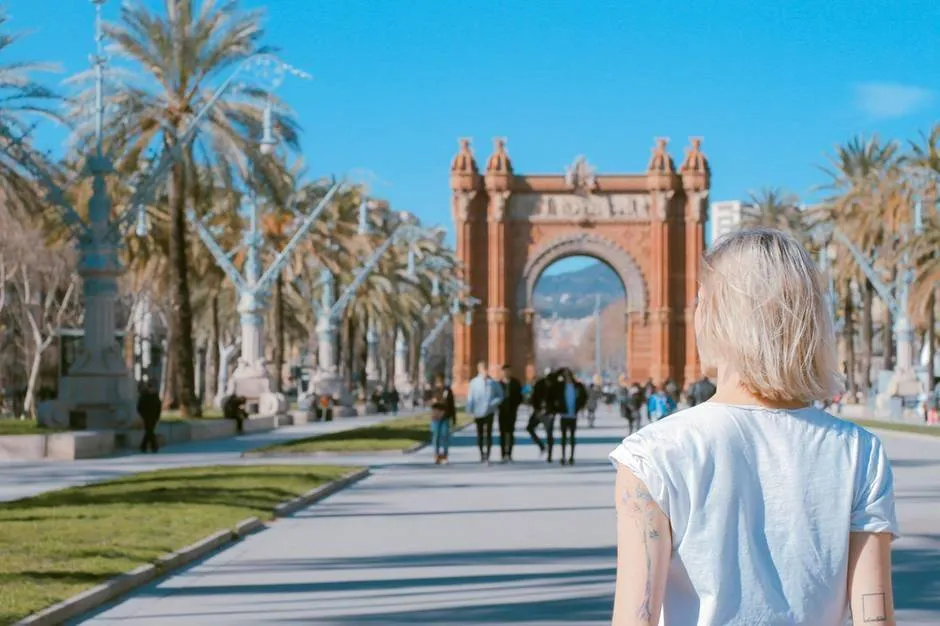
Exploring Andalucía on a cultural tour unveils a rich blend of Moorish heritage, flamenco rhythms, and Mediterranean charm. Seville, captivated by its iconic Alcázar palace, is a city alive with vibrant festivals like the Feria de Abril, celebrating Andalusian culture and traditions. Cordoba's Mezquita mosque-cathedral symbolizes Islamic Spain's architectural splendor, while Granada's Alhambra Palace mesmerizes with its intricate gardens and Nasrid dynasty legacy. Along the Costa del Sol, picturesque towns like Ronda offer breathtaking views and a taste of Andalusian white villages. Andalucía's passionate flamenco music and delectable tapas ensure an unforgettable immersion in Spain's cultural heart.
Discovery of Spain and Morocco Tour
Seek more than just a trip to Spain and Morocco. Join us in this unique venture if you travel to discover the ancient history, fantastic architecture, unsurpassed cuisine, renowned art collections, and the Spanish fun of Flamenco music and dance. If you travel to explore cross-cultural encounters, this tour of Spain and Morocco is made for you. Travel with scholars to immerse yourself in the beauty and history of the Moorish Islamic Civilization in Spain. This is not just a tour but a hands-on cultural discovery, where you'll explore the unique blend of Europe and Africa, the Mediterranean and the Atlantic, Christianity and Islam, tradition and modernity. Experience the harmony, fun, and style of this unique trip, with all the ingredients to make it rewarding and memorable. Welcome to a Discovery of Morocco and Spain Tour.
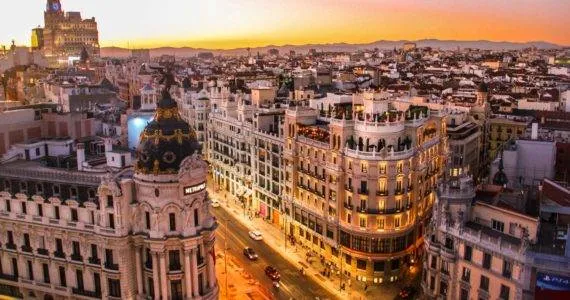
Spain, Portugal, and Morocco Tours
This is a group adventure tour to Spain, Portugal, and Morocco for active travelers who wish to explore beyond the average tourist attractions. Our small group expedition to Spain, Portugal, and Morocco is about the in-depth cultural encounters and the unsurpassed natural landscapes these three destinations, Spain, Portugal, and Morocco, share naturally, historically, and geographically. Here is a budget-priced overland expedition and tour of Spain, Portugal, and Morocco to enjoy the environment and ecology with a small group or private personalized expedition scheduled for 2025 and 2026.
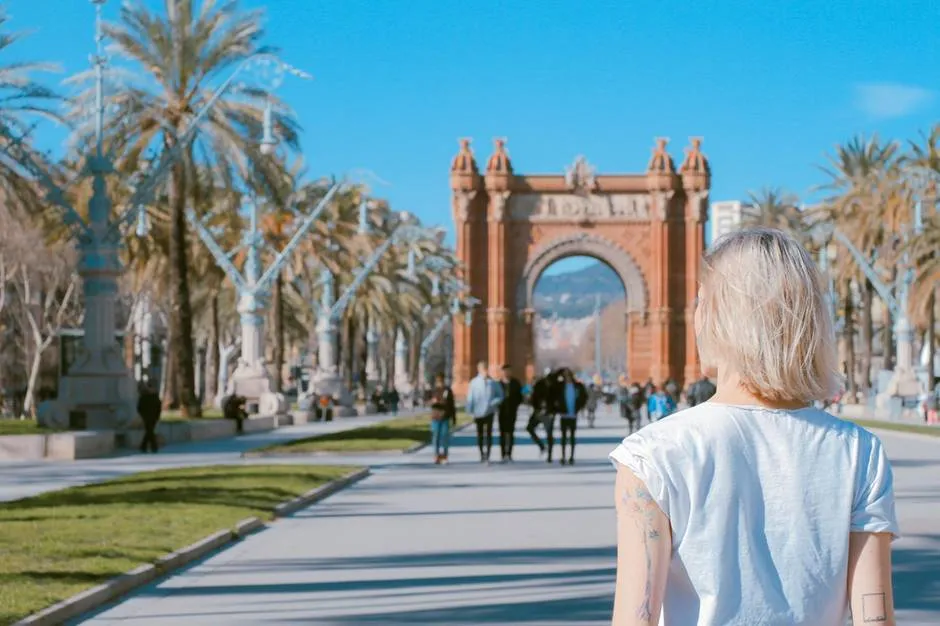
Spain Islamic Heritage Tour
A big welcome is reserved for you in Spain by our staff who hand-picked this historic tour for you. Spain is known for its Moorish Heritage due to an Islamic civilization that thrived here for eight hundred years leaving an everlasting legacy nowhere else to be found. Today Spain is a Catholic country and Spaniards never discriminate against other beliefs. Over two million Muslims live side by side with their fellow Christians in harmony and mutual respect. The Muslim community enjoys total freedom to practice its rituals, as well as the norms of prayers, and, has its infrastructure well set for visitors of the Islamic faith. You will find mosques and places set for prayers, halal markets, and restaurants to enjoy all staples unique to Spain. This Tour is a journey through the intricate history of Muslim Spain visiting the highlights of historical importance. We will make sure that you will visit the best Islamic landmarks of Toledo, Sevilla, Cordoba, Granada, Ronda, Malaga, Aranjuez, and Madrid. Enjoy your trip with your tour manager who is scholarly trained to give the layers of Islamic History and architecture of Spain.
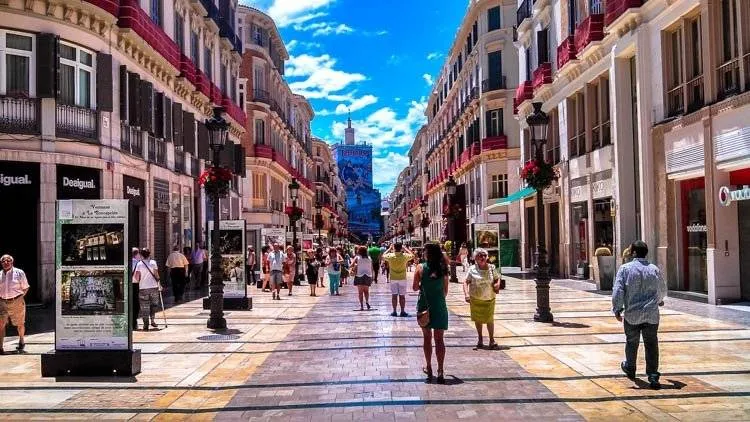
Southern Spain Tours
Welcome to our Spain tours. If you have only eight days of vacation, take this most Spanish of all Spain's tours. Andalusia's most southern province of Spain is the Emblem of all that we can call Spanish culture. Discover Moorish history, Architecture, cuisine, nightlife, art collections, and masterpieces reserved for our Spain tours. Enjoy visiting Andalusia's southern Spain province. All our Spain tour departures for 2025 and 2026 are guaranteed; all of our Spain tours for groups can be customized to a private Spain tour just for you.
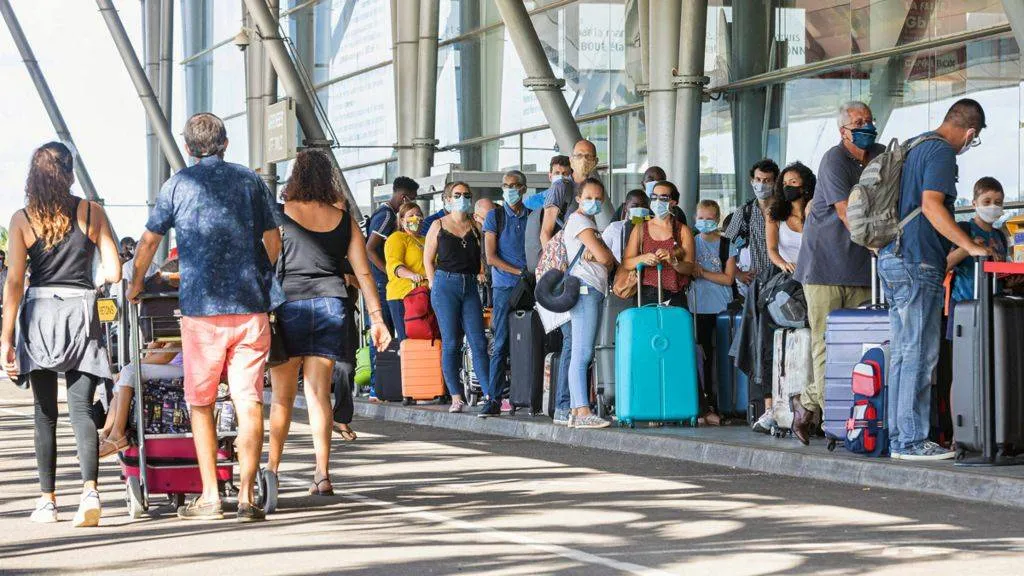
Spain Tour for Muslims
Discover the Islamic Heritage of Spain: 8-Day Journey for Muslim Travelers. Embark on an unforgettable 8-day journey through Spain, explicitly designed for Muslim travelers. This immersive experience will take you through the heart of Andalusia, where centuries of Islamic rule left an indelible mark on Spanish history, culture, and architecture. From the majestic palaces of the Moors to vibrant modern cities with thriving Muslim communities, this tour offers a unique opportunity to explore Spain’s rich Islamic legacy while enjoying halal dining and comfortable prayer facilities throughout your stay.
Trending Spain deals

Customer reviews
Needs improvement
0 reviews
Guide
0Needs improvement
Transportation
0Needs improvement
Meals
0Needs improvement
Accommodation
0Needs improvement
No reviews yet.
Spain articles
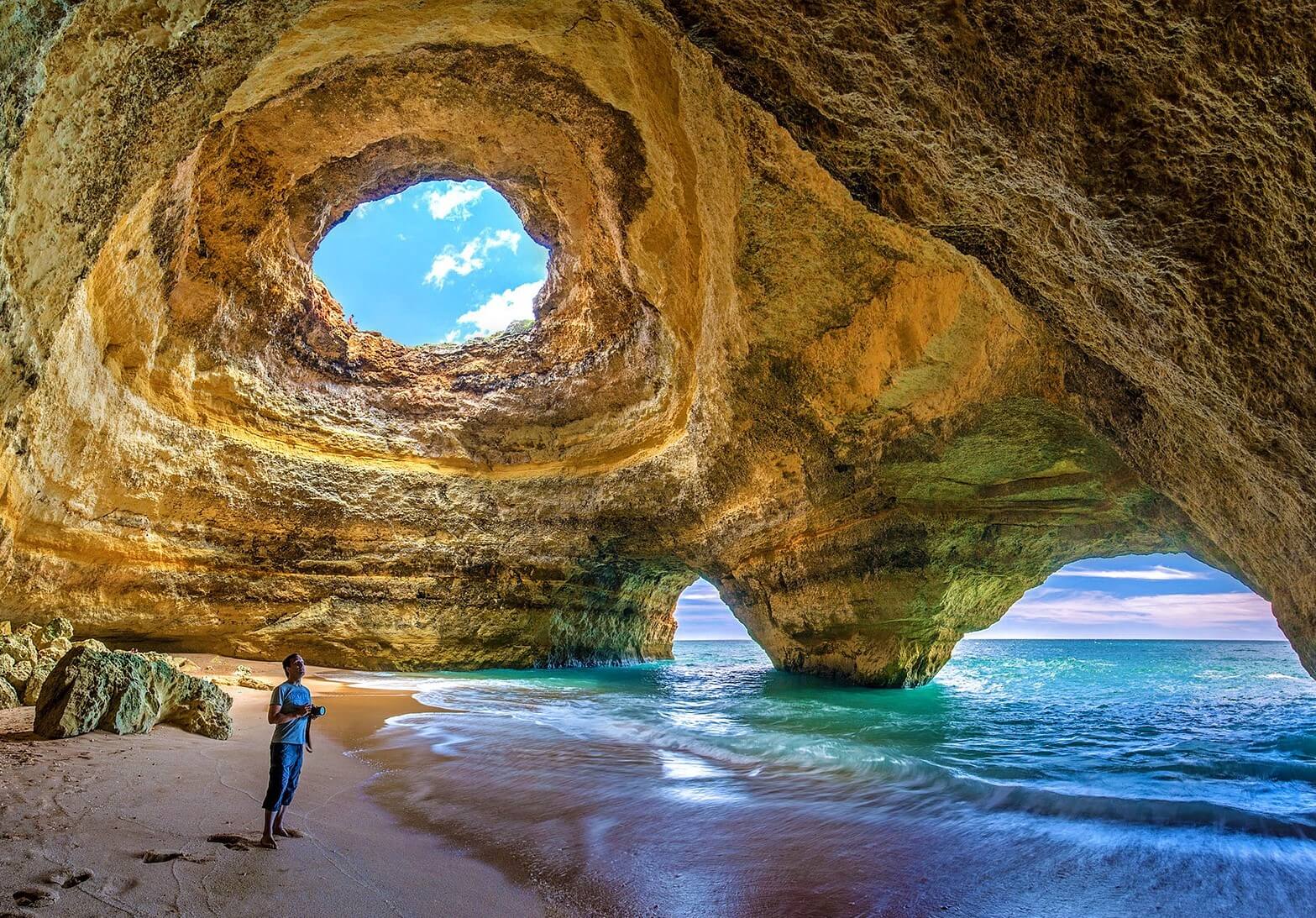
Toponymy of Islamic Origin in Portugal
Toponymy of Islamic Origin in Portugal Names That Remember What History Forgets The Islamic presence in the Iberian Peninsula did not end at the borders of what is now southern Spain. It flowed further west. Into what we call today Portugal, into the lands once known as Gharb Al-Andalus, the Western edge of a civilization that did not recognize borders the way we do today. In the Algarve. In the Alentejo. In valleys, hills, and coastal winds. There, something remains. Not in monuments alone, but in names. Toponymy, the naming of places, is not innocent. It is memory carved into language. And in Portugal, many of these names still carry echoes of Arabic origins, quietly preserved through centuries of change. One hears them without always knowing: Benagil. Benamor. Benavente. Benfica. They sound familiar, almost native. And yet, they speak another story. In the Arabic world, names were often rooted in lineage. The word ibn, son of, appears in many forms: aben, iben, ben. The plural banū, meaning sons, clan, or tribe, was often reduced over time, shaped by tongues, softened by centuries, until it became part of the Iberian soundscape. But beneath these transformations, the structure remains. A people named through their belonging. A land marked by its inhabitants. Scholars have long traced these traces. José Leite de Vasconcelos observed names such as Benevides and Benavides, linking them to older forms of lineage. Ramón Menéndez Pidal found in Beneegas and Benegas the echo of “son of Egas.” David Lopes explored names like Benamor, where layers of meaning, Arabic, Latin, and Portuguese, intertwine over time, as if language itself were negotiating its memory. Each name is not a word. It is a passage. Even today, the land speaks. Take the well-known Benagil cave. The name itself tells a story. Al-Ghar, the cave. Benagil, a lineage, a people. The place is not only geographical. It is genealogical. And even the region, the Algarve, comes from al-Gharb, meaning the West. A direction. A horizon. A frontier once shared. If one listens carefully, a map emerges, not of borders, but of presence. Names such as: Abenebaci — son of al-Bājī Belamandil — the sons of Mandīl Bela Salema — the sons of Sālim Belixe — the sons of Layth Benaciate — the sons of the fisherman Benaçoitão — the sons of the Sultan Benafin — the sons of ʿAffān Benamor — the sons of ʿAmmār Benavente — the sons of ʿAbbād Benfarras — the sons of Faraj Bensafrim — the sons of the desert Bobadela — Abū ʿAbd Allāh Boliqueime — Ibn al-Ḥakīm Budens — Abū Dānis Each one carries a fragment of a forgotten presence. Not forgotten by the land. Only by memory. These names remind us that Western Al-Andalus was not a distant extension of a civilization. It was part of it. A lived space, structured not only by governance, but by family, tribe, and belonging. And though political realities changed, Though kingdoms rose and fell, Though languages shifted and faiths redefined the public space— The names remained. Quietly. Persistently. History is not only written in books. It is written in the way we call a place. Over time, these traces did not disappear. They transformed. Intermarriage, migration, and exchange wove together populations across the Iberian Peninsula and the Maghreb. Portuguese presence along the Moroccan Atlantic coast—Azemmour, Mazagan, Mehdia, Essaouira, created further crossings, further entanglements of bloodlines and memory. Stories are told of people moving, of women brought across shores, of families formed in the space between necessity and history. Whether told fully or partially, these accounts point to one reality: The Mediterranean and Atlantic worlds were never isolated. They were intertwined. So today, when one hears a name like Benfica or Benagil, it may sound purely Portuguese. But somewhere within it, a structure remains. A son of someone. A people of somewhere. A memory of belonging. Toponymy does not forget. It waits. For someone to listen again.
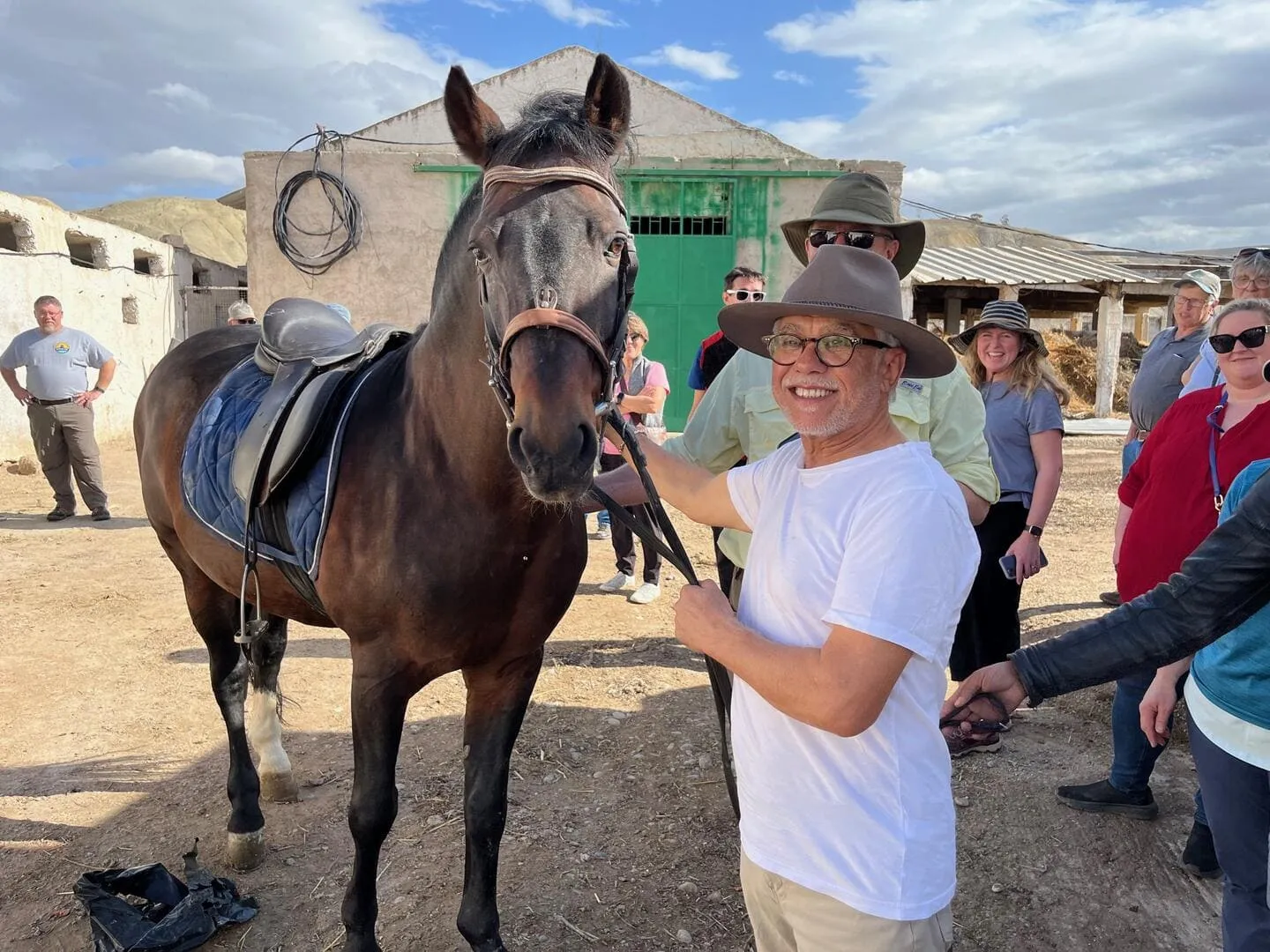
Active Travel as a Cultural Practice
Active Travel as a Cultural Practice Active travel is often misunderstood. It is frequently reduced to effort, performance, or adventure for its own sake. But in its deeper sense, active travel is not about doing more — it is about perceiving more. At Sarah Tours, we understand active travel as a cultural practice: a way to engage with landscapes, histories, and communities through movement, presence, and time. Movement as a Way of Knowing Before maps, before borders, before vehicles, humans understood the world by moving through it. Walking, riding, and crossing landscapes were not activities; they were methods of survival, trade, communication, and learning. Active travel reconnects us to our original relationship with place. Walking slows perception. Riding restores rhythm. Overland travel gives distance its meaning. When the body is involved, understanding deepens. Walking, Hiking, and Trekking: Attention in Motion Walking is the most human pace of travel. It allows us to notice transitions — in architecture, vegetation, language, and social life — that faster travel erases. In this sense, hiking and trekking are not sports. They are forms of attention. They allow conversation, silence, observation, and repetition. They welcome all ages and abilities when designed with care. Walking teaches us that landscapes are not scenery; they are lived spaces shaped by history and daily labor. Horse and Camel Riding: Following Ancient Rhythms Horseback and camel travel are not novelties. They are historical modes of movement, deeply tied to trade routes, migration, and survival. Following animal trails is a way to read the land as it was once read by water sources, passes, winds, and the distance between rest points. These journeys access regions that mass tourism never reaches, not because they are hidden, but because they require patience and respect. Here, movement becomes memory. Overland Travel: Restoring Meaning to Distance Overland travel is not about comfort or speed. It is about transition. Traveling by truck or Land Cruiser across natural and historical landmarks restores a sense of scale. Borders are crossed slowly. Landscapes unfold gradually. Cultures shift in ways that feel earned rather than consumed. In small groups, overland journeys become shared learning spaces — where geography, history, and human adaptation reveal themselves between destinations. Active Travel Is Not About Age or Performance One common misconception about active travel is that it is for the young or the extreme. In truth, active travel is about attitude, not endurance. At Sarah Tours, journeys are adapted, not imposed. Effort and leisure coexist. Rest, nourishment, and rhythm are as important as movement. This allows travelers of diverse ages, abilities, and interests to engage actively with the place in ways that feel respectful and sustainable. Leisure and Research Can Coexist Active travel can be restorative and joyful, but it can also be a method of inquiry. Walking through agricultural landscapes teaches about food systems. Crossing caravan routes reveals trade history. Camping in remote regions deepens ecological awareness. For travelers with academic, professional, or research interests, movement becomes a way of asking better questions — not from distance, but from within the landscape itself. Three Ways to Approach Active Travel Active travel can be understood through three complementary lenses: • Professionally — through thoughtful design, safety, pacing, and logistics • Academically — through human geography, history, ecology, and anthropology • Philosophically — through reflection on time, body, presence, and perception These approaches are not separate. Together, they form a comprehensive approach to engaging the world. A Different Understanding of Activity Active travel, as we practice it, is not about accumulation or achievement. It is about learning through movement. It asks us to slow down, to notice, and to let the body become a bridge between landscape and understanding. It reminds us that travel does not begin with arrival; it begins with how we move. This is not an adventure for its own sake. It is engagement, practiced carefully.
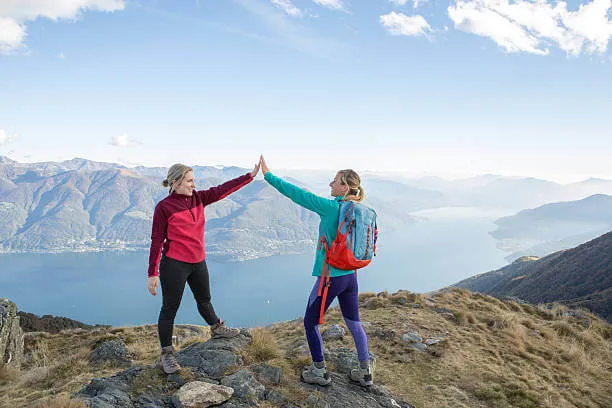
Active Travel and Tours
Active Travel as a Cultural Practice Active travel is often misunderstood. It is frequently reduced to effort, performance, or adventure for its own sake. But in its deeper sense, active travel is not about doing more — it is about perceiving more. At Sarah Tours, we understand active travel as a cultural practice: a way to engage with landscapes, histories, and communities through movement, presence, and time. Movement as a Way of Knowing Before maps, before borders, before vehicles, humans understood the world by moving through it. Walking, riding, and crossing landscapes were not activities; they were methods of survival, trade, communication, and learning. Active travel reconnects us to our original relationship with place. Walking slows perception. Riding restores rhythm. Overland travel gives distance its meaning. When the body is involved, understanding deepens. Walking, Hiking, and Trekking: Attention in Motion Walking is the most human pace of travel. It allows us to notice transitions — in architecture, vegetation, language, and social life — that faster travel erases. In this sense, hiking and trekking are not sports. They are forms of attention. They allow conversation, silence, observation, and repetition. They welcome all ages and abilities when designed with care. Walking teaches us that landscapes are not scenery; they are lived spaces shaped by history and daily labor. Horse and Camel Riding: Following Ancient Rhythms Horseback and camel travel are not novelties. They are historical modes of movement, deeply tied to trade routes, migration, and survival. Following animal trails is a way to read the land as it was once read by water sources, passes, winds, and the distance between rest points. These journeys access regions that mass tourism never reaches, not because they are hidden, but because they require patience and respect. Here, movement becomes memory. Overland Travel: Restoring Meaning to Distance Overland travel is not about comfort or speed. It is about transition. Traveling by truck or Land Cruiser across natural and historical landmarks restores a sense of scale. Borders are crossed slowly. Landscapes unfold gradually. Cultures shift in ways that feel earned rather than consumed. In small groups, overland journeys become shared learning spaces — where geography, history, and human adaptation reveal themselves between destinations. Active Travel Is Not About Age or Performance One common misconception about active travel is that it is for the young or the extreme. In truth, active travel is about attitude, not endurance. At Sarah Tours, journeys are adapted, not imposed. Effort and leisure coexist. Rest, nourishment, and rhythm are as important as movement. This allows travelers of diverse ages, abilities, and interests to engage actively with the place in ways that feel respectful and sustainable. Leisure and Research Can Coexist Active travel can be restorative and joyful, but it can also be a method of inquiry. Walking through agricultural landscapes teaches about food systems. Crossing caravan routes reveals trade history. Camping in remote regions deepens ecological awareness. For travelers with academic, professional, or research interests, movement becomes a way of asking better questions — not from distance, but from within the landscape itself. Three Ways to Approach Active Travel Active travel can be understood through three complementary lenses: • Professionally — through thoughtful design, safety, pacing, and logistics • Academically — through human geography, history, ecology, and anthropology • Philosophically — through reflection on time, body, presence, and perception These approaches are not separate. Together, they form a comprehensive approach to engaging the world. A Different Understanding of Activity Active travel, as we practice it, is not about accumulation or achievement. It is about learning through movement. It asks us to slow down, to notice, and to let the body become a bridge between landscape and understanding. It reminds us that travel does not begin with arrival; it begins with how we move. This is not an adventure for its own sake. It is engagement, practiced carefully. By Hamid Mernissi
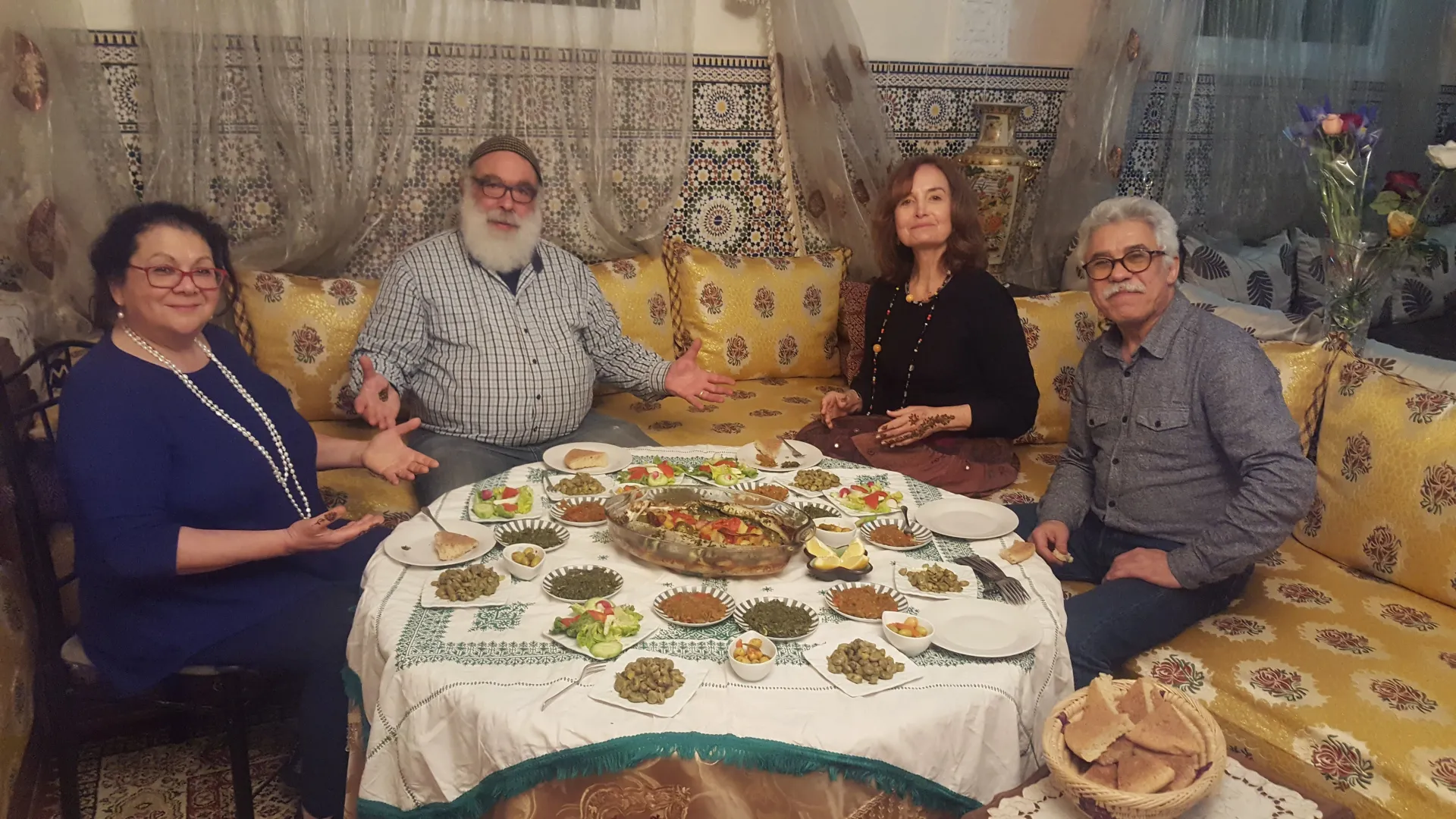
Travel Learning and Travelers
When Travel Becomes Learning Travel has always been one of the most powerful ways to educate oneself—at least in my own belief. Not because it provides answers, but because it teaches us how to ask better questions. When travel becomes learning, it stops being a sequence of experiences and becomes a process of attention. The road is no longer something to cross quickly; it becomes a classroom without walls, where lessons are subtle and often unannounced. Learning Begins When Certainty Ends The moment travel teaches us something real is often the moment we feel slightly lost. Not lost geographically, but internally—when familiar references no longer apply. Languages shift. Gestures mean something else. Time behaves differently. What once felt obvious becomes uncertain. This discomfort is not a failure of planning. It is the beginning of learning. From Information to Understanding Many people travel well-informed. Few travel well-prepared to understand. Information tells us what something is. Learning asks why it exists, how it came to be, and what it means to those who live with it daily. When travel becomes learning: • monuments are no longer isolated facts • traditions are not performances • food is not just taste, but memory and geography • landscapes are read as history, not scenery Understanding requires time, repetition, and humility. The Classroom of Daily Life The most meaningful lessons in travel rarely happen during scheduled visits. They happen: • in kitchens • on walks between places • in markets • during shared meals • in pauses and silences Daily life teaches what institutions cannot. It reveals values, priorities, and relationships—often without explanation. When we learn to observe these moments, travel begins to educate us beyond the surface. Listening as a Method Learning through travel depends less on asking questions and more on listening well. Listening to: • tone rather than words • rhythm rather than schedules • what is said—and what is avoided Good listening requires patience. It also requires letting go of comparison. When we stop measuring places against what we already know, we allow them to speak in their own language. Learning Also Means Being Changed Education that leaves us unchanged is incomplete. When travel becomes learning, it affects how we: • see our own habits • question our assumptions • relate to difference • return home Sometimes the lesson is gentle. Sometimes it is unsettling. Both are valuable. Travel as Ongoing Education This kind of learning does not end at the airport. It continues: • in how we tell stories • in what we value afterward • in how we choose to travel again Travel becomes part of a lifelong education—one that has no diploma, only awareness. A Quiet Conclusion Not all travel needs to teach. Rest, pleasure, and joy have their place. But when travel becomes learning, it offers something rarer: a chance to grow without being instructed, to understand without being told, to change without being forced. In a world full of information, learning remains a privilege. Travel, approached with attention and humility, is still one of its finest teachers. Travel learning
Small Group Tours or Private Journeys
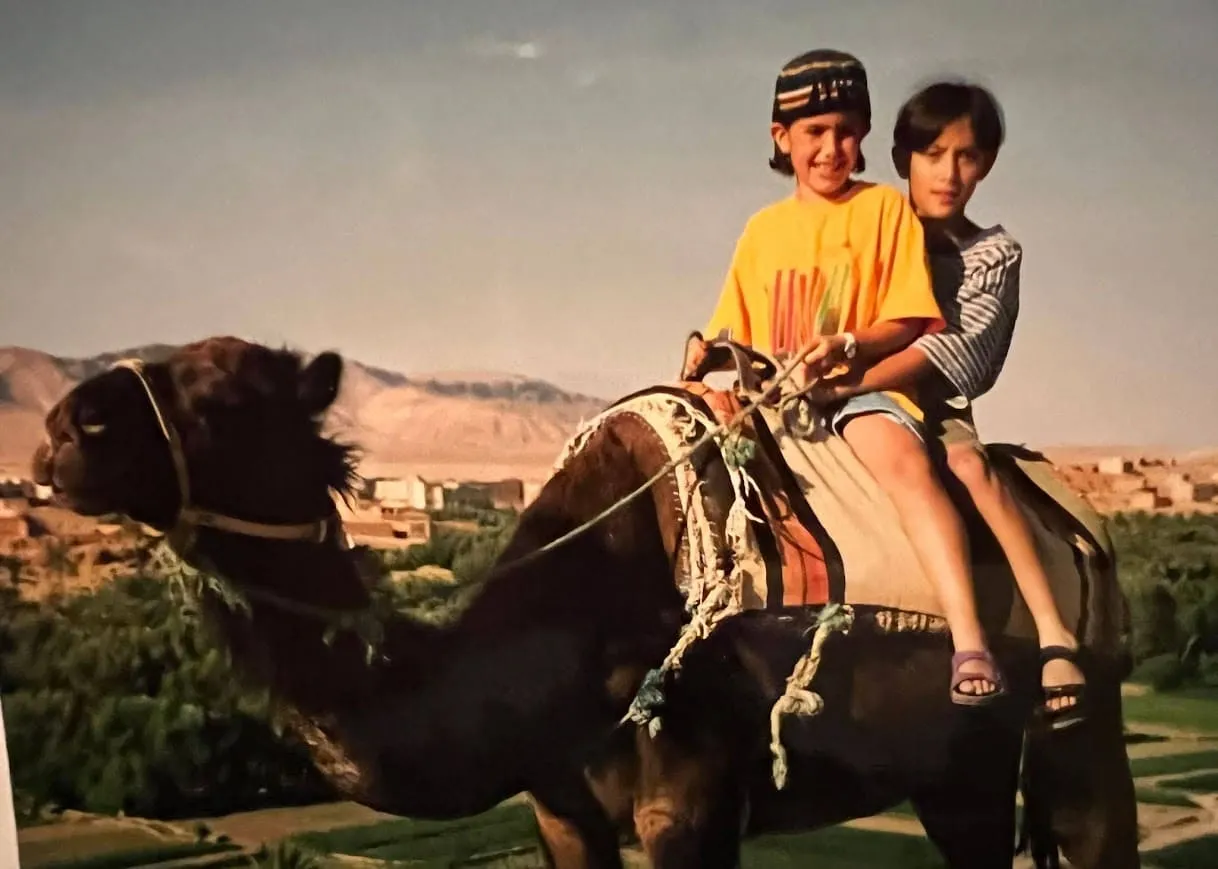
Small Group Tours or Private Journeys? Finding the Right Path to In-Depth Cultural Encounters In-depth cultural travel is not defined by comfort, speed, or even distance. It is defined by how we meet people, how we listen, and how much space we allow for understanding. One of the most common questions travelers ask us at Sarah Tours is whether a small-group tour or a private, customized journey offers a deeper cultural experience. The honest answer is not simple—both can lead to meaningful encounters, but each has its limits. What matters most is not the format but the traveler’s temperament, expectations, and life stage. Culture Is Not Consumed the Same Way by Everyone Some people understand a place through conversation and shared reflection. Others need silence, intimacy, and personal rhythm. Culture does not reveal itself on command. It opens differently depending on who is standing in front of it. This is why group size alone never guarantees depth. Small Group Tours (6–12 Travelers): Shared Discovery Small group tours create a particular kind of energy, one that mirrors traditional ways of learning: walking together, eating together, listening together. Advantages of Small Group Cultural Tours Small groups are often ideal for travelers who: • enjoy exchanging perspectives with others • learn by listening and observing different reactions • feel enriched by collective moments • appreciate a guided rhythm without rigidity In cultural contexts, small groups can: • feel less intimidating for local communities • create warm, collective interactions • encourage dialogue and storytelling • balance structure with spontaneity A well-designed small-group tour allows travelers to engage with culture together, which can deepen understanding rather than dilute it. Limitations to Consider Small groups may not suit everyone. They can be less ideal for travelers who: • require complete control over timing and pacing • need long periods of solitude • have very specific personal interests or research goals Honesty matters here. Group travel, even when small, always involves shared rhythm and compromise. Private Customized Tours: Depth Through Focus Private journeys offer a different kind of intimacy. They allow the experience to unfold at the traveler’s internal pace rather than the group’s collective one. Advantages of Private Cultural Journeys Private tours are often ideal for travelers who: • seek deep, uninterrupted conversations • want maximum flexibility • prefer silence or reflection between encounters • travel for personal, spiritual, or academic reasons Culturally, private travel allows: • longer stays in fewer places • deeper relationships with individuals • adaptability to mood, energy, and curiosity • space for unplanned moments For some travelers, this focused environment allows culture to surface more quickly and more personally. Limitations to Acknowledge Private travel also has its limits. It can: • reduce exposure to multiple perspectives • feel intense for those who process externally • lack the shared energy that helps some travelers contextualize what they experience Depth does not always require privacy—sometimes it requires company. An Honest Truth About Cultural Depth Here is a truth we have learned through years of designing journeys: Sometimes culture is better understood in company. Sometimes it reveals itself only in solitude. Neither approach is superior. They simply serve different ways of being in the world. The Sarah Tours Approach: Advising, Not Selling At Sarah Tours, our role is not to push travelers toward one format or another. Our responsibility is to listen first, then guide. We design: • small group journeys for travelers who grow through shared experience • private customized journeys for those who need space, flexibility, and focus Both are built with the same principles: • slow pacing • respect for local communities • meaningful encounters • time to walk, eat well, reflect, and listen Choosing the Right Journey The right journey is not the one with the perfect itinerary. It is the one that respects who you are right now. Some travelers begin with groups and later seek solitude. Others start privately and later enjoy sharing the road. Cultural travel is not a formula. It is a relationship. And like all relationships, it works best when entered with honesty.
Overland Tours and Expeditions
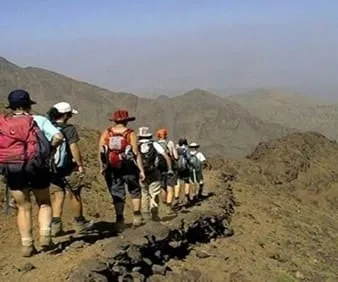
Overland Journeys with Sarah Tours: Small Groups, Deep Connections, Real Africa Some journeys are not meant to be rushed. They are meant to be crossed slowly, by road, by foot, by effort, and shared with a small circle of like-minded travelers. At Sarah Tours, our overland expeditions are designed for small groups of 6 to 12 travelers, creating an intimate travel experience where connection, flexibility, and cultural depth take priority over speed or spectacle. Why Overland Travel Feels Different Traveling overland allows you to feel the distance, not just measure it. From Morocco to Spain, or from Morocco deep into Mauritania, Senegal, and The Gambia, the journey becomes part of the story, not something to skip between flights. Borders are crossed slowly. Landscapes change gradually. Languages, rhythms, and cuisines shift along the way. This is travel as it once was—immersive, grounded, and human. Small Groups, Big Experiences (6–12 Travelers) Keeping our groups small allows us to: • Adapt routes and activities • Enter places large groups cannot • Spend time with local communities • Move at a natural, human pace Everyone is seen. Everyone is heard. The journey becomes shared—not managed. Overland Journeys with Sarah Tours: Small Groups, Deep Connections, Real Africa Some journeys are not meant to be rushed. They are meant to be crossed slowly, by road, by foot, by effort, and shared with a small circle of like-minded travelers. At Sarah Tours, our overland expeditions are designed for small groups of 6 to 12 travelers, creating an intimate travel experience where connection, flexibility, and cultural depth take priority over speed or spectacle. Why Overland Travel Feels Different Traveling overland allows you to feel the distance, not just measure it. From Morocco to Spain, or from Morocco deep into Mauritania, Senegal, and The Gambia, the journey becomes part of the story, not something to skip between flights. Borders are crossed slowly. Landscapes change gradually. Languages, rhythms, and cuisines shift along the way. This is travel as it once was—immersive, grounded, and human. Small Groups, Big Experiences (6–12 Travelers) Keeping our groups small allows us to: • Adapt routes and activities • Enter places large groups cannot • Spend time with local communities • Move at a natural, human pace Everyone is seen. Everyone is heard. The journey becomes shared—not managed. A Fully Equipped Overland Team, Based in Fez Our operations are coordinated from Fez, the cultural heart of Morocco. Our office is fully equipped to organize and support active overland expeditions across North and West Africa—and beyond. Each expedition is supported by: • Experienced overland drivers • Well-trained expedition staff • Reliable all-terrain vehicles • A dedicated cook and assistant, responsible for meals and camp setup This allows travelers to focus fully on the experience while we handle the logistics. Fresh, Local Food—Cooked with Care Food is an essential part of the journey. On all our overland expeditions, we provide: • Fresh ingredients sourced from local markets • Meals prepared by our expedition cook • Healthy, balanced cuisine adapted to active travel Cooking with local products supports communities and keeps meals vibrant, nourishing, and authentic. Good food means better energy—and better exploration. Active Travel for Body and Mind Our overland journeys are not passive. They are designed to stimulate both body and mind, blending movement with discovery. Depending on the region, travelers may: • Hike through mountain landscapes • Walk ancient caravan routes • Bike rural tracks • Trek desert or savannah terrain • Explore villages on foot Activity is balanced with rest, reflection, and shared meals—allowing travelers to truly absorb the places they cross. More Than a Route, A Cultural Crossing Whether crossing the Strait of Gibraltar into Spain, or following the long Atlantic road south into West Africa, our overland expeditions are cultural crossings, not just geographic ones. They are built on: • Respect for local cultures • Meaningful encounters • Slow discovery • Shared effort and shared stories This is where travel becomes memory—and memory becomes understanding. Why Travel Overland with Sarah Tours Because intimacy matters. Because movement creates meaning. Because the road teaches what airports cannot. Sarah Tours overland expeditions are for travelers who seek depth over speed, connection over consumption, and experience over comfort—without sacrificing safety, care, or quality. A Fully Equipped Overland Team, Based in Fez Our operations are coordinated from Fez, the cultural heart of Morocco. Our office is fully equipped to organize and support active overland expeditions across North and West Africa—and beyond. Each expedition is supported by: • Experienced overland drivers • Well-trained expedition staff • Reliable all-terrain vehicles • A dedicated cook and assistant, responsible for meals and camp setup This allows travelers to focus fully on the experience while we handle the logistics. Fresh, Local Food—Cooked with Care Food is an essential part of the journey. On all our overland expeditions, we provide: • Fresh ingredients sourced from local markets • Meals prepared by our expedition cook • Healthy, balanced cuisine adapted to active travel Cooking with local products supports communities and keeps meals vibrant, nourishing, and authentic. Good food means better energy—and better exploration. Active Travel for Body and Mind Our overland journeys are not passive. They are designed to stimulate both body and mind, blending movement with discovery. Depending on the region, travelers may: • Hike through mountain landscapes • Walk ancient caravan routes • Bike rural tracks • Trek desert or savannah terrain • Explore villages on foot Activity is balanced with rest, reflection, and shared meals—allowing travelers to truly absorb the places they cross. More Than a Route, A Cultural Crossing Whether crossing the Strait of Gibraltar into Spain, or following the long Atlantic road south into West Africa, our overland expeditions are cultural crossings, not just geographic ones. They are built on: • Respect for local cultures • Meaningful encounters • Slow discovery • Shared effort and shared stories This is where travel becomes memory—and memory becomes understanding. Why Travel Overland with Sarah Tours Because intimacy matters. Because movement creates meaning. Because the road teaches what airports cannot. Sarah Tours overland expeditions are for travelers who seek depth over speed, connection over consumption, and experience over comfort—without sacrificing safety, care, or quality.
Spain & Morocco: Twin Shores, One Breadbasket
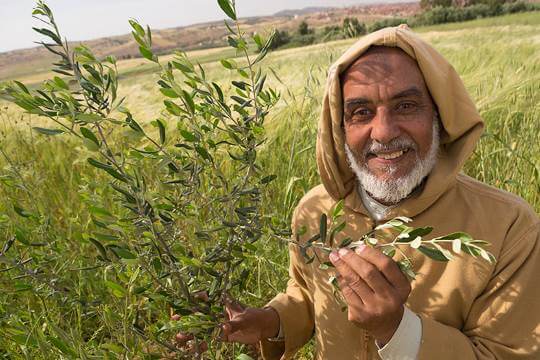
A Bridge Rooted in History For more than a millennium, Spain and Morocco have shared not only winds and tides but also seeds, trees, irrigation systems, and knowledge. When the Moors crossed into the Iberian Peninsula in the 8th century, they brought with them sophisticated agricultural techniques that turned Andalusia into a garden of abundance. Terracing, qanat irrigation, and new crop varieties transformed dry lands into flourishing orchards and fields. Citrus fruits, olives, figs, pomegranates, almonds, carobs, and durum wheat were cultivated with precision and artistry, blending North African ingenuity with Iberian soil. Likewise, methods and crops from Spain flowed back across the Strait, enriching Morocco’s terraces and valleys. This centuries-old agricultural symbiosis has shaped the very landscapes and culinary traditions that still define both Andalusia and northern Morocco to this day. Today, as both nations face the challenges of climate change, food security, and rural revitalization, they stand ready to revive and reinvent this historic green corridor, blending tradition with technology and heritage with innovation. Spain & Morocco: Twin Shores, One Breadbasket Agri-business, agri-tourism, and a Sahel-facing green corridor Between the Atlantic and the Mediterranean, Spain and Morocco face each other like twin terraces of the same garden. Shared winds, shared currents, and a shared ambition: to grow more innovative food systems that nourish Europe, uplift Africa, and train a new generation of farmers, fishers, and food artisans. From field to value-chain: a working partnership In February 2023, Madrid and Rabat formalized a broad memorandum on agricultural cooperation, modernizing farms, improving animal and plant health, and enhancing genetics, welfare, and product quality. It’s not just words; it’s a roadmap for joint projects, laboratories, and better biosecurity that keeps supply chains resilient on both sides of the Strait. That dialogue has stayed warm. In April 2024, ministers reaffirmed “permanent and fluid” cooperation, expanding Spain-to-Morocco channels for live animals and products. It’s the kind of quiet regulatory work that unlocks real trade, jobs, and technology diffusion in feed, breeding, cold chains, and processing. Climate pressure, water intelligence Drought is the great teacher of our times. Morocco’s response combines tradition with science, utilizing drip irrigation, crop selection, and a significant investment in desalination and water transfers to safeguard its horticulture belts and cities. Seventeen plants are already operational, with more on the way; the state’s goal is to free freshwater for inland farming and sustain orchards and greenhouses during the dry years. Around Agadir, desalinated water is already sustaining high-value tomato production; however, experts still warn about the high energy costs and brine disposal. The lesson is balance: desalination for strategic zones, paired with better irrigation, crop zoning, and farmer training so smallholders aren’t left behind. This climate pragmatism embodies the spirit of Morocco’s Generation Green 2020–2030 strategy, an evolution of Plan Maroc Vert, and aligns with the EU–Morocco Green Partnership’s “Terre Verte” (€115M) programme, which promotes ecological, inclusive, and innovative farming and forestry. Together, these frameworks invite Spanish institutes, ag-tech SMEs, irrigation specialists, and cooperatives to co-design pilots in soil health, genetics, agri-logistics, and farmer services. Sea to table: fisheries and aquaculture The fisheries protocol with the EU is currently dormant after court decisions; renewal matters for Spanish fleets and Moroccan coastal economies alike. While politics run their course, there’s fresh momentum in aquaculture. Spain headlined Morocco’s Aquaculture Forum in 2024, signalling joint investment and know-how in hatcheries, feed, spatial planning, traceability, and low-impact mariculture, an ideal bridge from science to jobs in coastal towns. Agri-tourism: hospitality meets terroir Both countries have sun, scenery, and stories. Morocco’s new push to transform 16 rural villages into model destinations creates living classrooms where travelers can walk through orchards, taste oils and cheeses, join planting days, and learn about irrigation and soil practices; the kind of meaningful travel that today’s guests crave. These routes pair naturally with Andalusian cortijos and Spanish dehesa experiences: olive mills, sherry bodegas, market cooking, and transhumance trails. A joint Spain–Morocco “farm-to-table & craft” circuit can stretch from Chefchaouen and the Rif to Cádiz and Huelva; one sea, many kitchens. Training the next generation—including the Sahel Cooperation is also human capital. Seasonal programmes have long connected Moroccan rural workers with Spanish harvests, broadening their skills and income, which they later reinvest at home. With careful safeguards, these channels can evolve into accredited training tracks in pruning, greenhouse management, cold chain management, and food safety, skills that uplift entire communities. Beyond the Strait, Morocco is emerging as a hub for fertilizer and agronomy in the Sahel. OCP Group’s partnerships with the World Bank and IITA/ECOWAS are building soil-health hubs, conducting field demonstrations, and creating customised nutrient blends, enabling farmers in Benin, Togo, Mali, and beyond to increase yields and resilience. Spain’s research centres and cooperatives can plug into these platforms, joint trials, irrigation kits, and digital advisory tools, turning Rabat and Madrid into co-anchors of a West African green corridor. A shared vision for agri-business, and the travelers it inspires. The commercial logic is strong: Andalusian packhouses trading citrus expertise with Souss-Massa growers; Spanish irrigation OEMs partnering with Moroccan integrators; joint ventures in seafood and aquaculture; co-branding of regional specialties; and R&D alliances tied to EU and AECID funds, where Morocco is a top priority for 2025. Layer on curated agri-tourism, farm stays, harvest festivals, coastal mariculture visits—and you have a cross-border product that sells in winter and summer alike. Call to action: Let’s convene a Spain–Morocco Agri & Rural Tourism Lab: farmers, cooperatives, researchers, water utilities, and DMCs under one table. Prototype five cross-border itineraries (olives & citrus; greenhouse innovation; argan & coastal aquaculture; mountain transhumance; Sahel soil-health missions), each with a training module for youth and a “give-back day” on soil or water stewardship. That’s commerce with conscience, and precisely the kind of meaningful travel the future demands. Closing Note This article is part of Sarah Tours’ vision to promote sustainable agriculture, cross-cultural exchange, and meaningful travel between Spain, Morocco, and the broader Sahel. Drawing on decades of experience in cultural tourism and regional cooperation, Hamid Mernissi and Sarah Tours aim to foster new conversations and partnerships at the intersection of agri-business, heritage, and responsible travel.
Africa Feeds the World
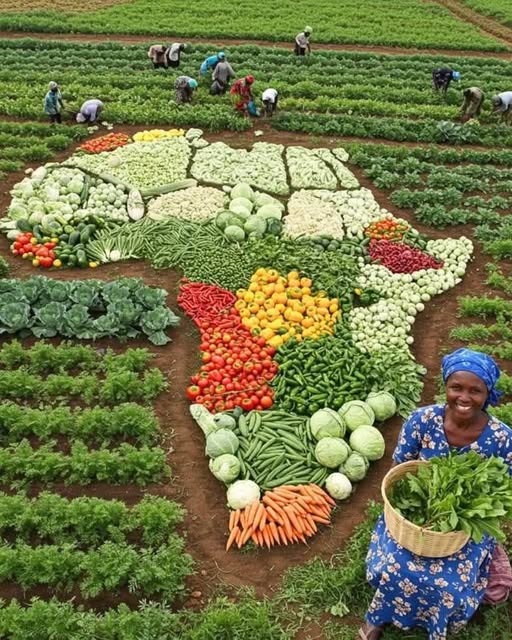
I recently came across a striking image that stopped me in my tracks, a map of Africa, not drawn with lines or borders, but sculpted entirely from fresh produce. Tomatoes, cabbage, peppers, carrots, beans… each region thoughtfully represented by the fruits of its soil. It wasn’t just clever. It was profound. It told a story, one that resonates deeply in our times. Think about it. In the 21st century, the future of humanity lies not only in the advancement of technology but also in the return to what is essential: health, nourishment, and the land. The so-called developed world, for all its wealth and innovation, is struggling to feed itself, not for lack of resources, but because it has lost touch with them. The relentless pace of modern life has no time for the patient rituals of planting, harvesting, or tending. Their soils are poisoned by industrial greed. Their diets are corrupted by speed and artificiality. The pharmaceutical giants, armed with science and ambition, have failed to provide effective remedies for the chronic ailments associated with this lifestyle. And so we are left with one truth: there is no substitute for good food. ![] Real food, grown with care, is the only sustainable medicine for the body and soul. And it does not come from massive Agro-corporations or distant stock exchanges. It comes from the humble hands of small farmers. It is the work of communities who till the land each morning and fill the markets with life and colour by dusk. It is not the Memphis Cotton Exchange or the Detroit Wheat Market that feeds a nation; it is the woman with her basket of greens, the man ploughing a modest field, the child gathering mint in a sunlit garden. And where do we find this truth most vividly alive today? In Africa. Africa, with its rich soil and abundant sun, its industrious people and deep-rooted sense of community, is becoming the heartbeat of a future the world didn’t see coming. A future that is not about domination or overconsumption, but about sustenance, dignity, and shared prosperity. In its fields and villages, on its small farms and family tables, lies a wisdom that the modern world has lost: that health is wealth, that land is legacy, and that food is sacred. This image, a continent shaped by harvest, says more than a thousand words. It is not just art. It is prophecy. Africa is not only the past; it is the promise. In the age of disconnection, it reminds us to reconnect with the earth, with each other, and with what truly matters.
Spain and Morocco Moorish Heritage
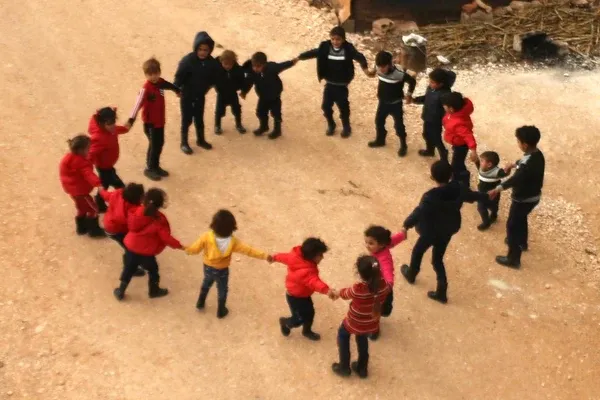
Takshbila Tiwliwla: When a Moroccan Children’s Song Remembers Seville There are memories that survive in books. Others survive in monuments, family names, recipes, music, embroidery, architecture, and words spoken so often that we forget where they came from. And sometimes history hides inside a children’s game. Many Moroccans of my generation remember a song we sang when we were children: Takshbila Tiwliwla... We sang it without asking what it meant. The girls would cross their hands, form a circle, jump and turn together while singing. Watching them, one might even be reminded of the circular movement and gestures of women dancing Sevillanas in southern Spain. We were children. For us, it was simply a game. But years later, another question began to trouble me: What if the children were remembering something the adults had forgotten? From Takshbila to Ishbiliya There is a popular interpretation in Morocco that connects the mysterious word Shbila in the song with Ishbiliya, the Arabic name for Seville. According to this oral interpretation, Tak Shbila echoes dik Ishbiliya: “That is Seville.” Other interpretations hear in the following sounds a promise or longing to return. If so, what generations of Moroccan children have been singing as nonsense syllables may contain a distant echo of Al-Andalus. It is an irresistible possibility. But as someone who loves both history and storytelling, I must make an important distinction. We do not possess firm historical evidence proving that the song was composed by expelled Moriscos, nor can we confidently translate every mysterious line as a coded account of persecution. What we do possess is something different: a remarkably persistent popular memory. And popular memory has its own history. When Muslims Became Moriscos The fall of Granada in 1492 did not immediately end the Muslim presence in Spain. Large Muslim communities remained. Over the following decades, increasing pressure, forced conversion, restrictions on religious and cultural practices, and persecution transformed the lives of these communities. Those Muslims who had been converted to Christianity and their descendants became known as Moriscos. Their position became increasingly precarious. Eventually, between 1609 and 1614, the Spanish Crown ordered their mass expulsion. Hundreds of thousands of people were forced to leave the country in which their families had lived for generations. Many crossed the Mediterranean to North Africa. And many came to Morocco. They brought very little of their physical homeland with them. But human beings carry civilizations in ways that ships cannot measure. They brought language. Music. Recipes. Craftsmanship. Family names. Urban traditions. Agricultural knowledge. Poetry. Memories. And longing. Al-Andalus Did Not Disappear This is where the story becomes especially important for the traveller. The history of Al-Andalus does not end when you leave Spain. Cross the Strait of Gibraltar and the story continues. Walk through Tetouan, and Andalusian memory is everywhere. Enter the old cities of Fez, Rabat, Salé, or Chefchaouen, and you encounter families, musical traditions, architecture, cuisine, craftsmanship, vocabulary, and customs shaped in part by generations who crossed from Iberia to Morocco. The political geography changed. The civilization continued travelling. This is why I have always believed that Spain and Morocco should sometimes be travelled together. If you visit only Andalusia, you see where part of the story unfolded. If you visit only Morocco, you encounter many of its echoes. But when you cross the Strait yourself, something becomes visible that neither shore can explain alone. You begin to understand that the Mediterranean was not always a wall separating Europe from Africa. For centuries, it was also a bridge. “They Neither Killed Me nor Left Me Alive” Another remembered line from the Moroccan song is: Ma qtalouni, ma hyaouni. Literally: “They neither killed me nor left me alive.” It is a haunting sentence. Popular interpretations have connected it with the suffering of the Moriscos under persecution and the Inquisition: a human being brought to a condition in which life itself becomes a form of torment. Other lines have also been given historical explanations over generations. One speaks of the cup they gave me. Some have interpreted this as a memory of religious humiliation and forced demonstrations of abandoning Islam. Other obscure phrases have been explained as references to enemies, messages, carriages, or news arriving from afar. Can we prove these interpretations? No. And perhaps we should resist the temptation to force every syllable into a historical explanation. Children change songs. Languages change pronunciation. Words lose their original meanings. Sounds survive after meanings disappear. Oral traditions travel differently from written chronicles. But that does not make the song historically uninteresting. Quite the opposite. The question becomes more profound: Why did generations of Moroccans come to associate this children's song with the memory of Al-Andalus? When Memory Becomes a Game I find something deeply moving in the possibility that historical memory can survive without the people carrying it even knowing what they are carrying. Imagine a Morisco family arriving in Morocco four centuries ago. The grandparents remember Spain. Their children know the stories. Their grandchildren inherit fragments. Another generation remembers a melody. Another remembers only strange words. Eventually, children are jumping in a circle in a Moroccan courtyard, singing syllables whose meanings nobody can explain. History has become play. The tragedy has disappeared from consciousness. But perhaps an echo remains. This is how cultures sometimes remember. Not through dates. Not through official archives. Through gestures. Through food. Through lullabies. Through family expressions. Through the way a grandmother prepares a dish without knowing that her grandmother's grandmother learned it somewhere across the sea. And perhaps through a children's song. Standing in Seville This is why I would like travellers to experience Seville differently. Do not see only the cathedral, the Alcázar, the Giralda, the plazas and the beautiful streets. Listen for Ishbiliya beneath Seville. Then cross to Morocco. Walk through Tetouan. Enter Fez. Listen to Andalusian music. Look at the carved plaster, cedar ceilings, courtyard houses, gardens and fountains. Listen to family names and old expressions. Watch children playing. You may begin to understand that civilizations do not simply disappear when kingdoms fall. They migrate. They adapt. They hide. They remember. Two Shores, One Story Today Spain and Morocco are modern neighbouring countries with their own identities, interests and futures. Our responsibility is not to inherit the conflicts of our ancestors. It is to understand them. History should deepen our humanity, not imprison us inside old grievances. That is one of the reasons cultural travel matters. When we travel deeply, the Alcázar of Seville and the medina of Fez stop being isolated tourist attractions. They begin speaking to one another. A melody heard in Morocco may suddenly remind us of Andalusia. An Arabic word may be hiding inside Spanish. A Moroccan dish may carry an Andalusian memory. A courtyard in Fez may make us remember one we walked through days earlier in Seville. And a children's song may carry us across four hundred years. At Sarah Tours, this is the Morocco-and-Spain journey we want travellers to discover. Not simply two countries joined together because they happen to be geographically close. Two shores of a much larger human story. So the next time you hear Moroccan children singing: Takshbila Tiwliwla... do not rush to decide exactly what every word means. Listen instead. Perhaps it is only a children's song. Perhaps somewhere inside it survives a distant memory of Ishbiliya. We may never know with certainty. But sometimes the most revealing question in travel is not: “Can we prove the story?” It is: “Why have people remembered it for so long?” And somewhere between Seville and Fez, between Ishbiliya and Takshbila, the traveller may discover that history does not always live in museums. Sometimes it is still outside, holding hands, turning in a circle, and singing. For generations, Moroccan popular memory has understood the song as an echo of the Moriscos' longing for Ishbiliya, Seville, and of the hope that one day they would return. By Hamid Mernissi All rights reserved
Spain FAQs
when taking a Spain tour with Sarah Tours, our Cultural and spiritual tours of Spain cover a diverse range of experiences:
• Cultural Highlights: you will visit the best of Andalusia (Seville, Granada, Córdoba) to explore Moorish palaces such as the Alhambra, Mezquita, and Alcázar of Seville. Barcelona’s Sagrada Família and Gaudí’s architectural masterpieces are also must-sees.
• Spiritual Highlights: The Camino de Santiago (Way of St. James), a famous pilgrimage route leading to the Cathedral of Santiago de Compostela, is one of Spain’s most spiritual journeys. There are also Islamic Heritage journeys from Toledo to Granada, which have significant historical sites and spiritual landmarks.
• Monasteries: Spain is home to historic monasteries such as Montserrat near Barcelona and El Escorial outside Madrid, offering opportunities for reflection and learning about Spain’s religious heritage.
• Festivals: Experiencing Spain’s spiritual festivals, like Semana Santa (Holy Week) in Seville and Corpus Christi in Toledo, where religious processions occur in historic settings. El Rocio and many other religious and spiritual gatherings for Muslims and Christians alike.
Spain is known for its rich spiritual traditions for Christians and Muslims. What Sarah Tours offers in its tours to Spain is an emphasis on coexistence in the past and present:
• Camino de Santiago: Spain's most famous pilgrimage route in Spain, if not the world. It offers a deeply spiritual journey that can be walked, cycled, or done in parts. The most popular route is the Camino Francés "French route," but there are other routes like the Camino Portugués or the Camino del Norte "Northern route."
• Montserrat Monastery: Set high in the Pyrenees mountains, this Benedictine monastery is a pilgrimage site for those seeking the Black Madonna and spiritual renewal. It offers a unique spiritual journey in Spain.
• El Escorial Monastery: Near Madrid, this UNESCO World Heritage Site served as a residence for Spanish royalty and offers a place of spiritual reflection. Not to forget the most significant Islamic library of Moorish heritage. A sanctuary of knowledge scholars and researchers seek from around the world.
• Religious retreats: Some cultural and spiritual tours to Spain with Sarah Tours include quiet stays at monasteries or Islamic Sufi retreats, where you can reflect, meditate, or attend religious services in the most authentic settings.
Spain, as one of the best tourist destinations, is rich in religious and historical landmarks that reflect its deep cultural history:
• The Alhambra Palace in Granada is a Moorish masterpiece of architecture that blends Islamic, Christian, and Renaissance influences. This marvelous site is featured on all our tours to Spain.
• Sagrada Família in Barcelona: Gaudí’s monumental basilica is an awe-inspiring blend of faith, nature, and architecture.
• Mezquita de Córdoba: This is one of the best Islamic landmarks that we try to feature in most of our tours to Spain. Once a mosque, now a cathedral, it’s a powerful symbol of Spain’s multi-faith past, where Muslim and Christian influences converge.
• Santiago de Compostela Cathedral: Sarah Tours has devoted a special itinerary for this spiritual journey in Spain. This is the final destination of the Camino de Santiago, where many pilgrims attend mass and visit the tomb of Saint James the Apostle.
Sarah Tours hires the best guides in Spain to facilitate and help visitors explore cultural Spain. They will introduce you to Spanish culture in its proper way. Respect for religious and cultural traditions is important in Spain, especially at spiritual and sacred sites, and social gatherings and festivities represent life in Spain. the need for human interaction and sharing makes Spain unique:
• Dress modestly: When visiting cathedrals, monasteries, or mosques, cover your shoulders and knees and try to be quiet so as not to disturb worshipers in their rituals.
• Silence and respect: Many spiritual sites are active places of worship, so maintain quiet and respectful behavior, particularly during religious ceremonies or services.
• Photography: Always check if photography is allowed, especially in sacred places. Many religious sites prohibit photos or require permission.
• Religious customs: If attending mass or religious festivals, follow the customs, such as standing, sitting, or kneeling during services, as appropriate, as the people of Spain do.
Accommodations vary depending on the focus of the tour. All of the tours to Spain we promote offer traditional, atmospheric, and authentic lodging:
• Cultural Tours to Spain: Travelers often stay in Paradores, where historic buildings like former monasteries, castles, or palaces are converted into luxurious hotels or boutique halal Inns. These hotels offer a blend of comfort and cultural immersion.
• Spiritual Tours in Spain: Pilgrims on the Camino de Santiago usually stay in Albergues (pilgrim hostels), monasteries, or guesthouses. These simple accommodations provide a communal and reflective experience.
• Rural retreats and monasteries: Some spiritual travelers may stay in rural retreats or guesthouses connected to monasteries or Sufi retreats, which offer peaceful surroundings for contemplation and prayer. These places have spiritual settings and feel that would help you enjoy every moment of your journey in Spain.
Packing generally depends on the nature of the tour and the season. Please note that Spain enjoys over 325 days per year of great weather:
• Comfortable walking shoes are essential for those hiking, trekking in Spain, walking the Camino de Santiago, or touring cities with cobblestone streets.
• Modest clothing: Pack clothes covering shoulders and knees for religious visits. Layers are advisable for varying weather, particularly in mountainous regions or monasteries. In Andalusia, southern Spain, cotton clothes and light materials are advised.
• Pilgrim passport (for Camino travelers): If you are walking the Camino de Santiago, you must bring a credential (pilgrim’s passport) to collect stamps at various locations along the route.
• Sunscreen, sunglasses, and a hat: Spain can get hot, especially in Andalusia and during summer festival gatherings and pilgrimages.
Spain is famous for its cultural and religious festivals, which can be integral to cultural or spiritual tours. Sarah Tours is the leader of spiritual and Islamic heritage tours to Spain:
• Semana Santa (Holy Week): This week-long celebration occurs in cities like Seville and Granada, with religious processions featuring intricate floats, penitents, and sacred music.
• Fiesta de San Fermín (Running of the Bulls): Celebrating Saint Fermin's bravery and martyrdom. This spiritual, historic, and culturally significant festival in Pamplona is rooted in religious tradition and the Vaqueros (Cowboys) of Old Spain.
• Corpus Christi: This festival, celebrated across Spain, notably in Toledo, features elaborate processions celebrating the Eucharist.
• The Day of Saint James (Fiesta de Santiago): On July 25, Santiago de Compostela celebrates St. James of Compostela, the Matamoros who led the Moors' exodus and is the patron saint of Spain.
• "Spirit of Al-Andalus Retreat," in the Sierra Nevada foothills, a spiritual and artistic legacy of Muslim Spain, while immersing themselves in the serene environment of olive groves; this retreat is often associated with the Rumi Center for Spirituality and the Arts.
Spanish cuisine is integral to the cultural experience, with local and regional flavors playing a key role in every tour to Spain:
• Tapas culture: Small plates like patatas bravas, jamón ibérico, and calamari are standard throughout Spain, especially in cities like Madrid and Seville.
• Pilgrim meals (on the Camino): Albergues often serve simple, hearty meals like soups, stews, and fresh bread. The famous Galician seafood is a treat for those reaching Santiago de Compostela.
• Paella in Valencia: This regional dish is made with rice, saffron, and a variety of meats or seafood.
• Zarzuela de Bilbao is a dish not to miss while exploring Spain and Tapas de Seville.
• Traditional desserts: Don't miss Tarta de Santiago, an almond cake traditionally served to pilgrims in Galicia. Flan of Andalusia is the best in the world. No discussion of Spanish desserts is complete without churros.
Cultural and spiritual tours offer meaningful interaction with local communities:
• Stay with locals on the Camino: Many accommodations along the Camino are family-run or operated by local volunteers, providing an opportunity for authentic interaction with local people.
• Crafts and artisans: Visit workshops in cities like Granada and Seville to see flamenco guitar makers, ceramics artisans, and leather crafters at work.
• Attend local ceremonies: Join local communities for village Virgin march or festive gatherings like flamenco, Merengue, or other folk music and dance. Spaniards love to share the zest of their daily life. Participate in spiritual services, particularly during festivals or at historic churches and monasteries.
The balance between spiritual reflection and cultural exploration depends on the focus of your tour in Spain:
• Cultural Tours: Primarily focused on sightseeing and learning about Spain’s history, architecture, and traditions. Visits to religious landmarks are often paired with exploration of cities and regions. In Spain often what is cultural is entwined with what is spiritual.
• Spiritual Tours: Pilgrimages like the Camino de Santiago or Islamic Sufi retreats at monasteries are designed to allow for personal reflection and spiritual growth. These tours may have structured times for prayer, meditation, or spiritual activities balanced with visits to sacred sites.
We're Here for You, 24/7
Whether you need help planning your dream vacation or have a quick question, our experienced travel specialists are ready to assist you. Contact us today for personalized advice and immediate answers to all your adventure-related queries.
Get in Touch