Fez in One Day: A Living Journey Through 1,200 Years of History
Fez is not a city you simply visit. It is a walking manuscript. It is a city you enter, slowly—through gates, alleys, sounds, and scents—until history begins to speak back.
Founded in 789 AD by Moulay Idriss I, Fez is the spiritual, intellectual, and cultural heart of Morocco. For over twelve centuries, it has shaped Islamic scholarship, trade, craftsmanshi****p, and urban life across North Africa and beyond.
In one well-paced day, Fez reveals its soul—if you know where to look.
Morning: The Birth of Fez and Its Sacred Foundations
- Bab Boujloud – The Ceremonial Gateway
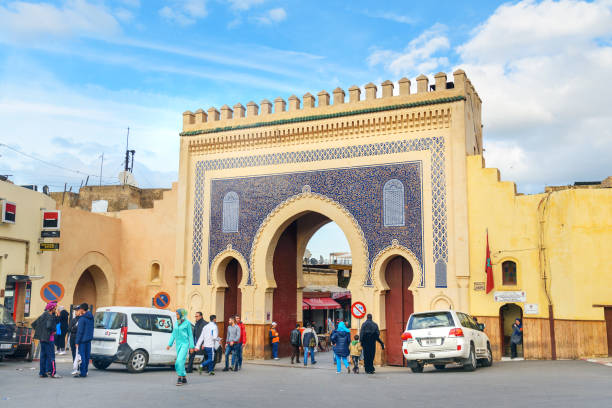
Your journey begins at Bab Boujloud, the iconic Blue Gate. Built in the early 20th century, it marks the symbolic entrance into Fez el-Bali, the oldest living medieval city in the world.
Step through it, and modern time fades away.
- ** Bou Inania Madrasa** – Architecture as Faith
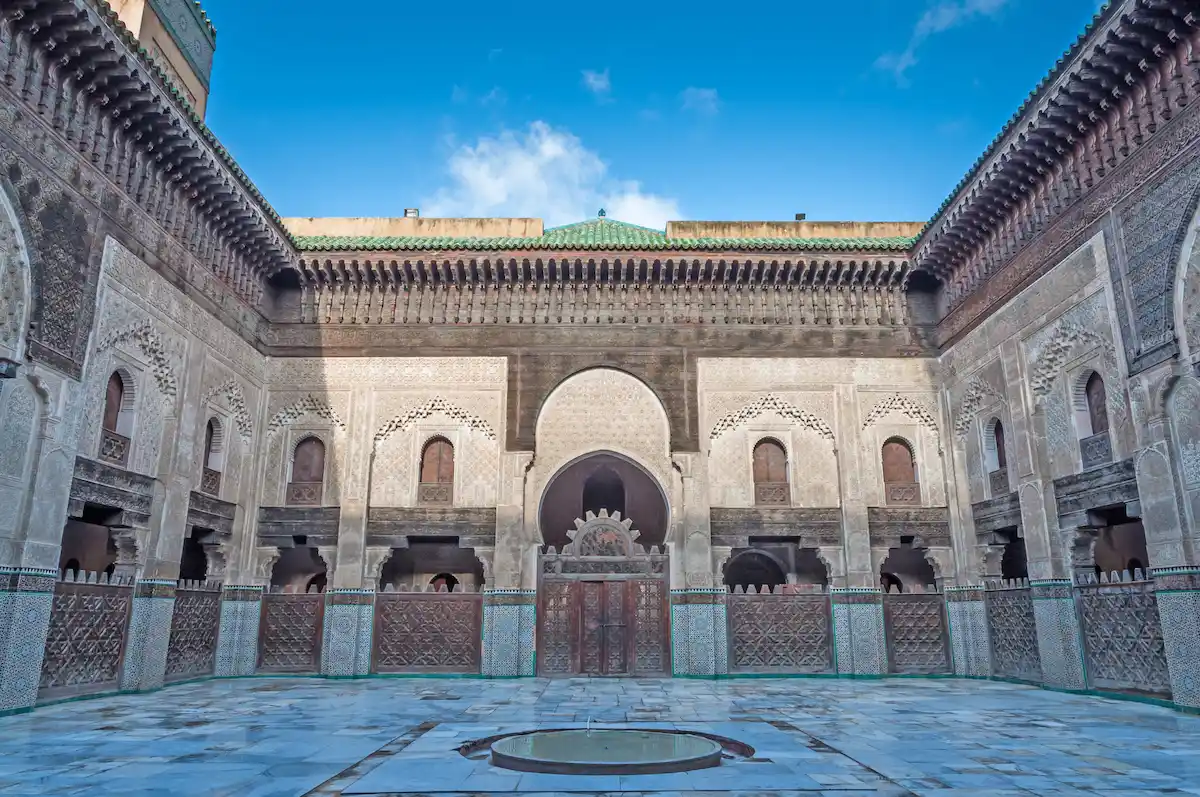
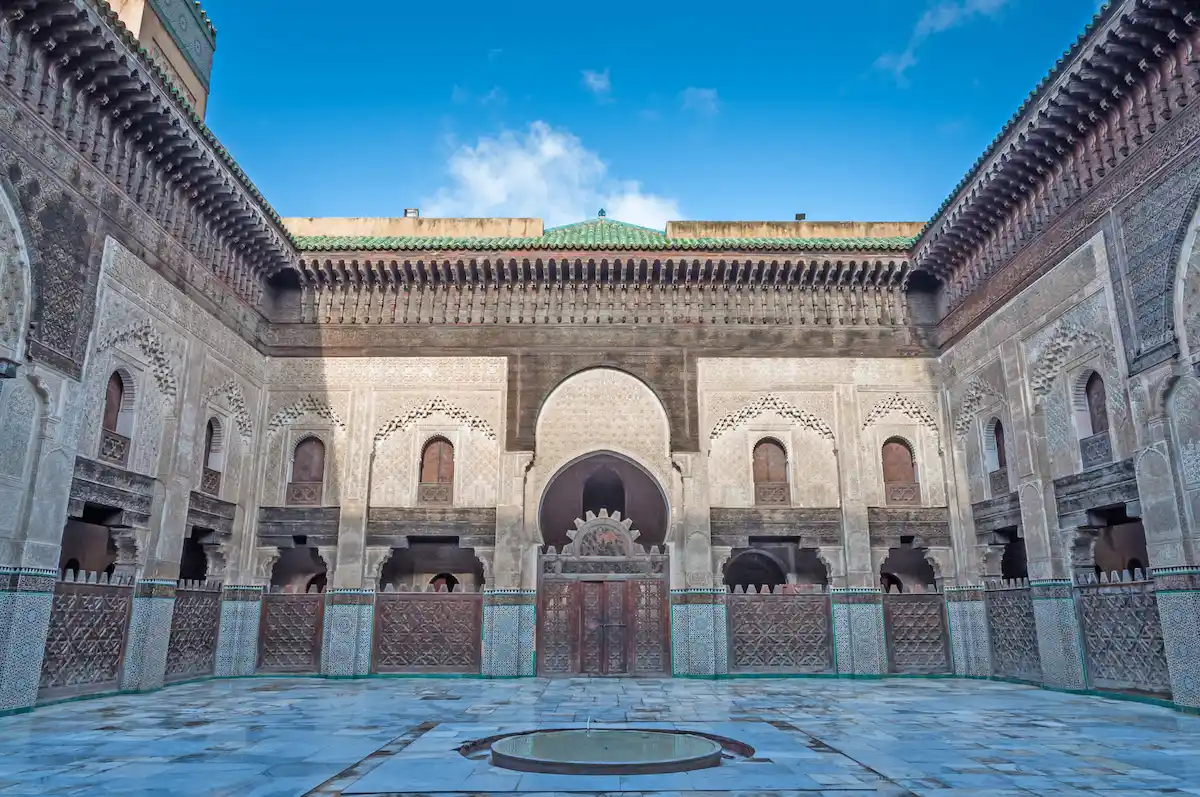
A short walk brings you to the Bou Inania Madrasa (14th century), built by the Marinid dynasty. Its carved cedar wood, zellij tiles, and calligraphy represent the golden age of Moroccan Islamic architecture.
This was not only a school—it was a statement of power, knowledge, and devotion.
3.Al-Qarawiyyin University – The Oldest University in the World
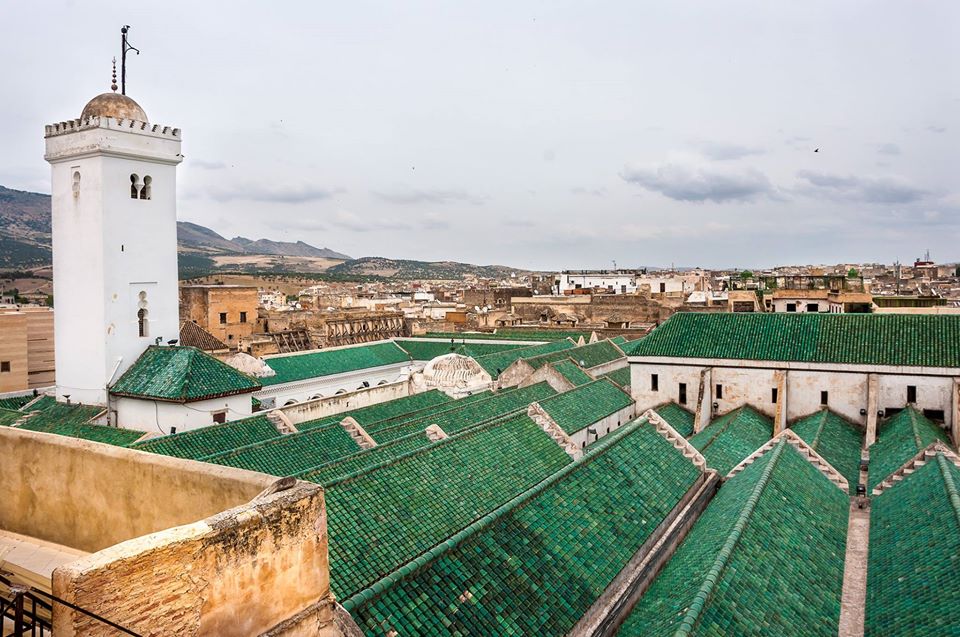
Founded in 859 AD by Fatima al-Fihri, Al-Qarawiyyin is the oldest continuously operating university on Earth.
For centuries, scholars from across Africa, Andalusia, and the Middle East studied here—law, astronomy, medicine, and theology—making Fez a global center of knowledge long before Europe’s Renaissance.
- Al-Attarine Madrasa – Knowledge and Trade Intertwined
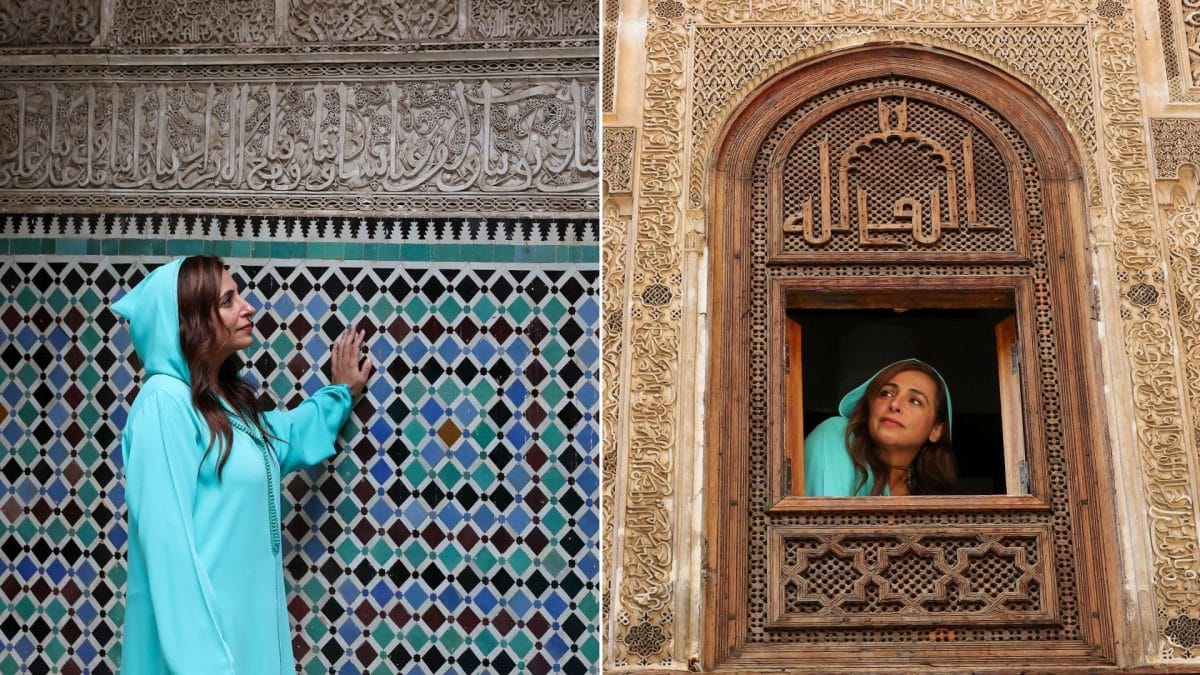
Near the spice and perfume markets stands Al-Attarine Madrasa, another Marinid masterpiece.
Its location beside souks reflects a core truth of Fez: learning, commerce, and daily life were never separate.
Midday: The Beating Heart of the Medina 5. Chouara Tannery – A Medieval Industry Still Alive
 ![]
![]
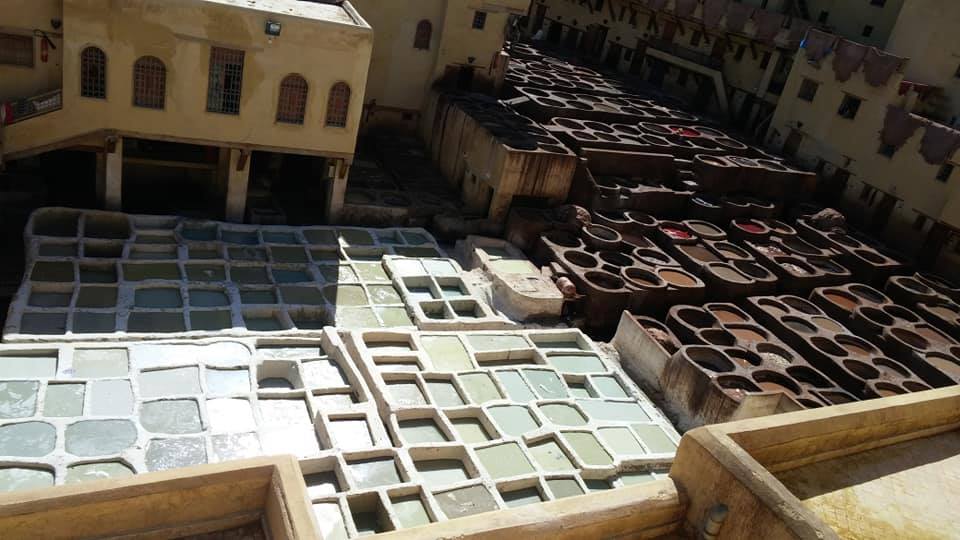
From a traditional terrace, overlook the Chouara Tannery, operating since the 11th century.
Leather is still processed exactly as it was centuries ago—lime pits, natural dyes, and human labor. This is Fez as a working city, not a museum.
- Nejjarine Square and Fondouk – The Art of Wood and Trade
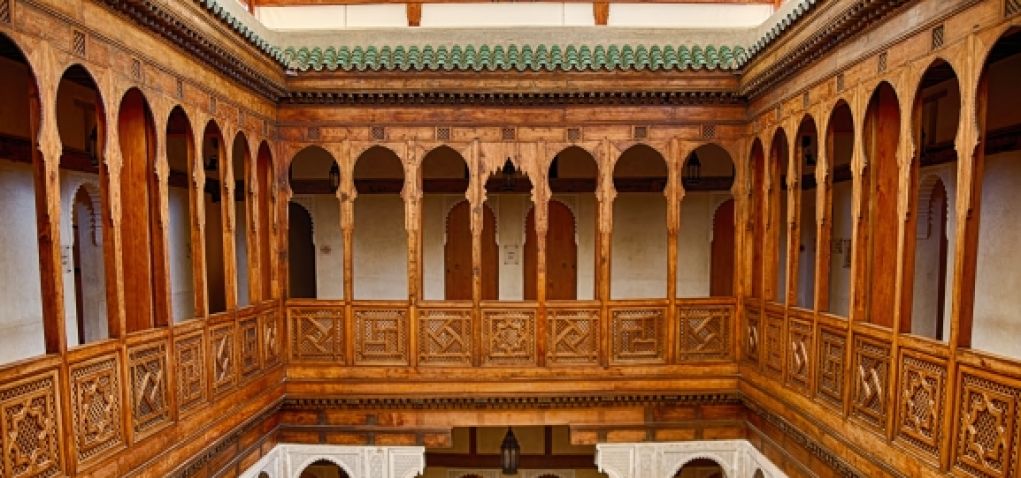
The elegant Nejjarine Fountain sits beside a restored caravanserai that once hosted merchants from across Africa and the Mediterranean.
Here, Fez reveals its role as a major trade hub, linking gold, salt, leather, and ideas across continents.
- ** Traditional Artisan Quarters** – The Living Crafts
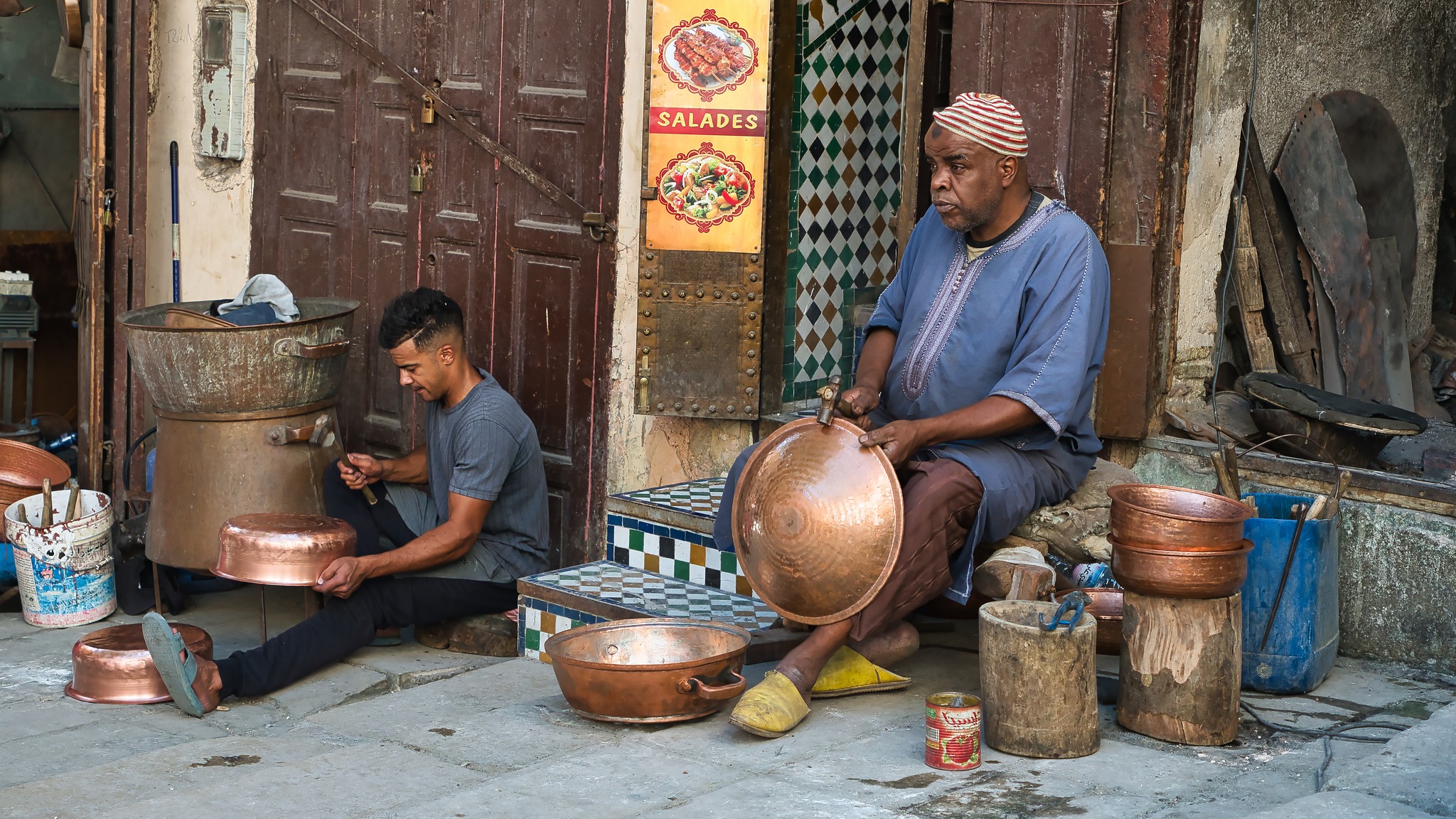 Walk through neighborhoods dedicated to brassworkers, potters, weavers, and carpenters.
These crafts are not souvenirs—they are inherited professions, passed down through generations, protected by guild traditions that shaped Fez’s social fabric.
Afternoon: Spirituality, Community, and Daily Life 8. Andalusian Mosque – The Other Pillar of Fez
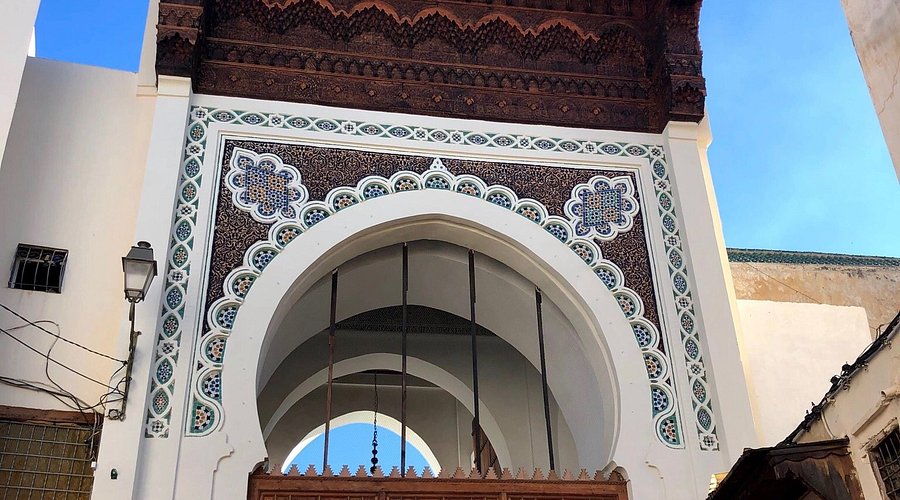
Founded by Andalusian refugees in the 9th century, the Andalusian Mosque reflects Fez’s dual origins—Arab, Amazigh, and Andalusian.
It reminds visitors that Fez was built by migrants, scholars, and artisans, not conquerors alone.
- Mellah of Fez – A Shared Urban History
 ![]
![]
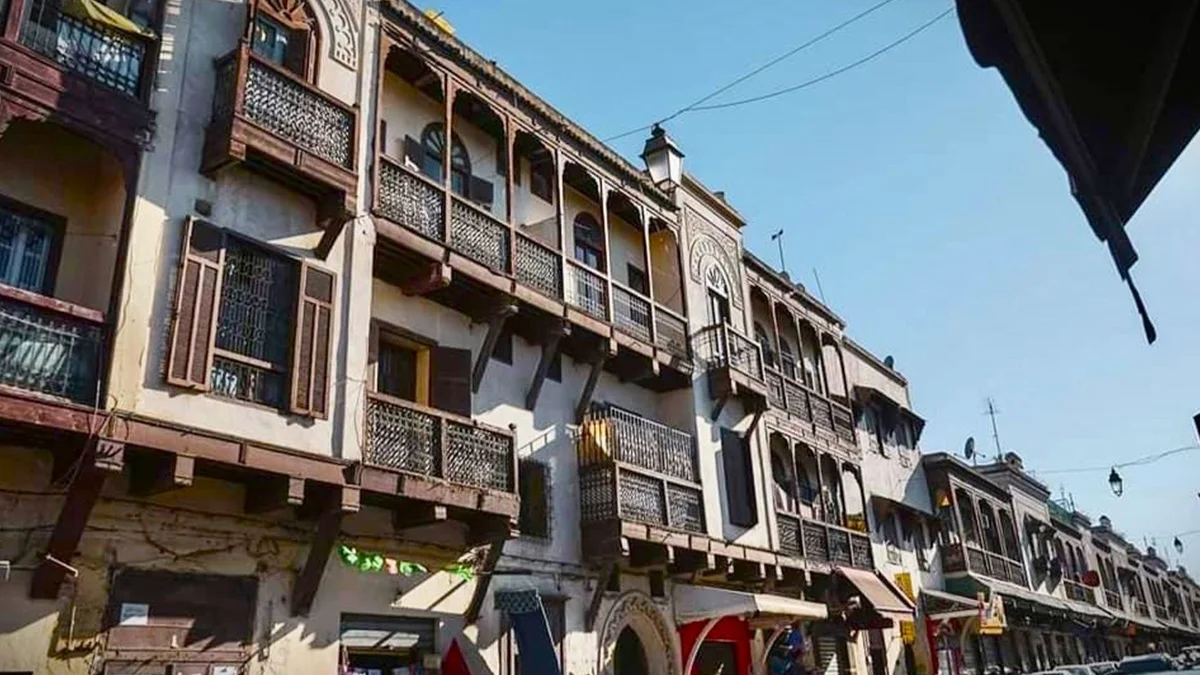
Visit the Jewish Quarter (Mellah) of Fez el-Jdid, established in the 15th century.
Fez’s Jewish community played a vital role in diplomacy, trade, and craftsmanship, illustrating centuries of coexistence within the city’s walls.
Late Afternoon: Perspective and Reflection 10. Borj Nord – Fez from Above
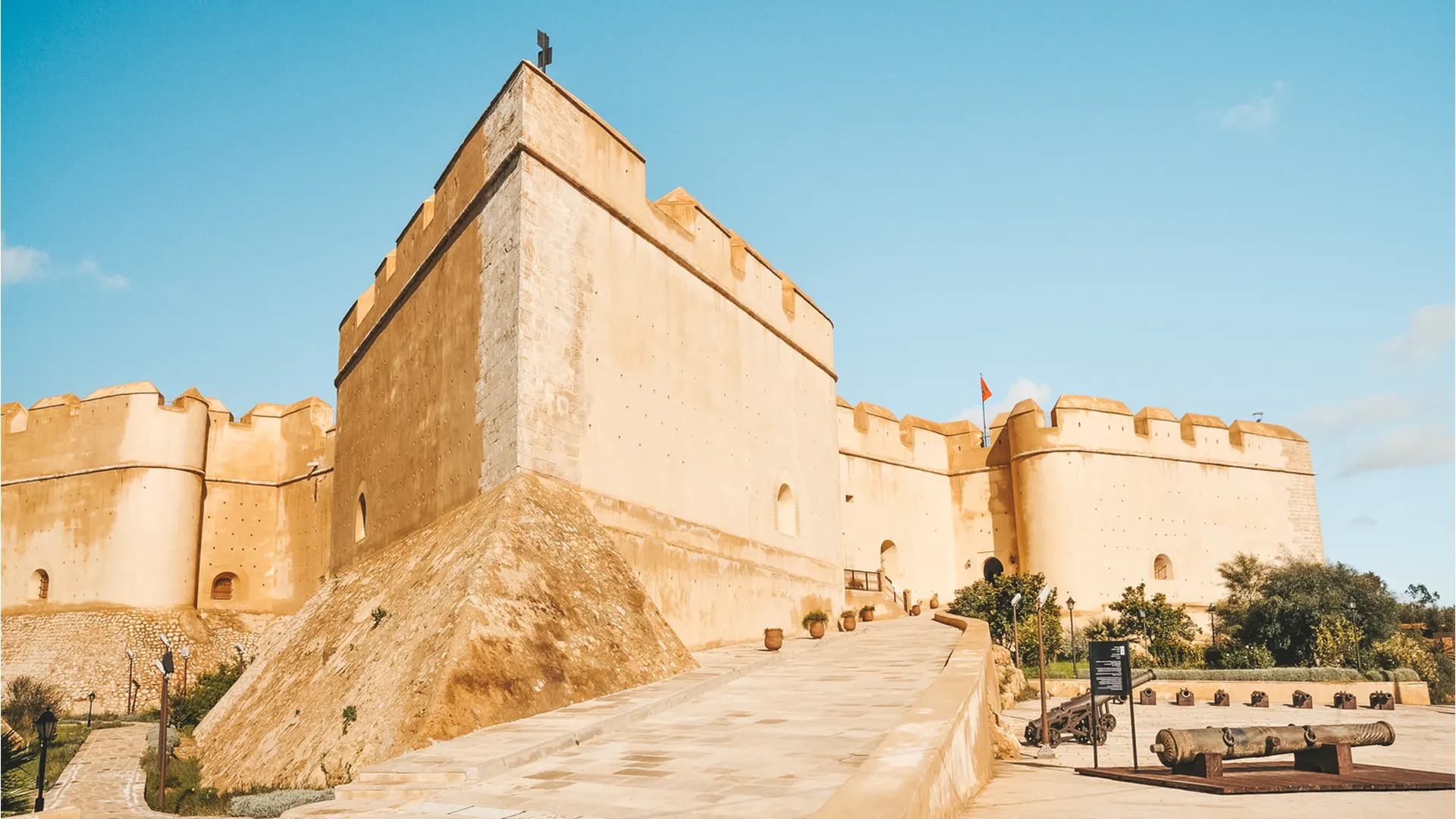
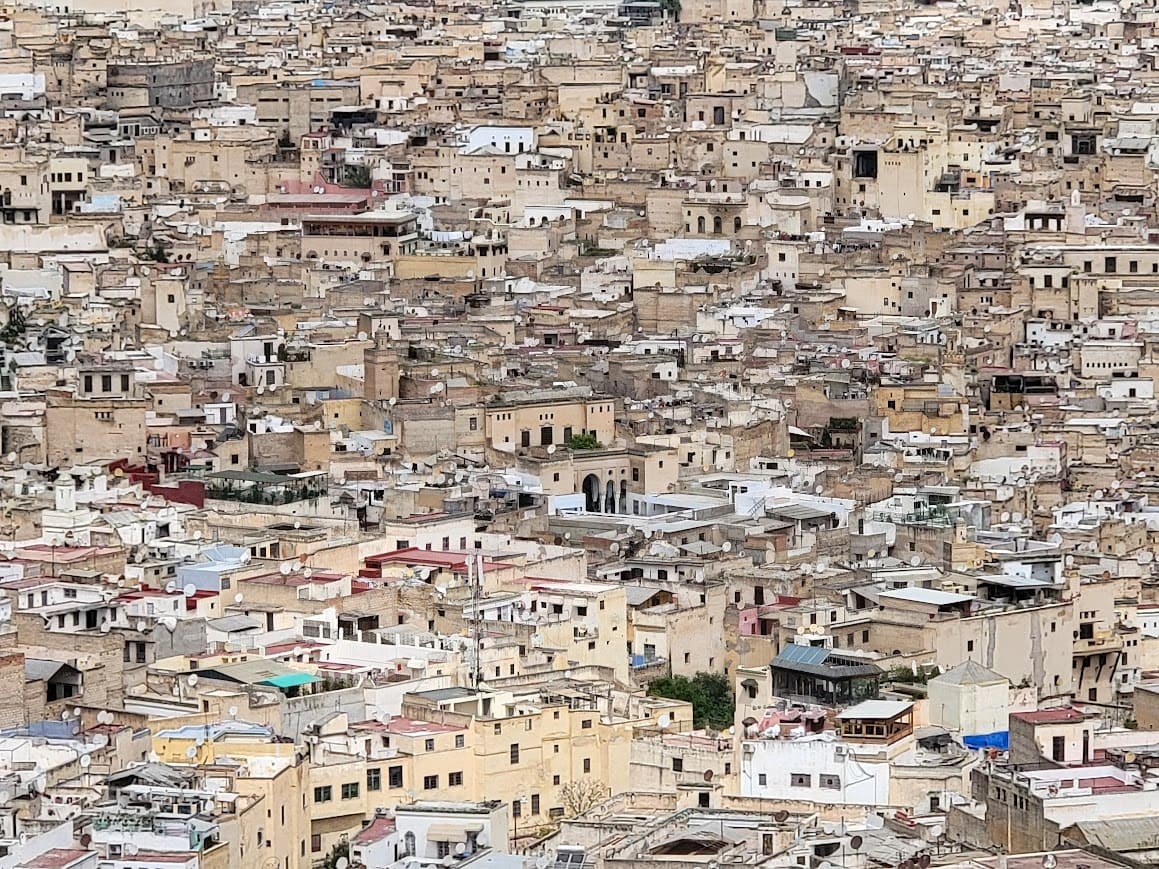
End your day at Borj Nord, a 16th-century fortress overlooking the entire medina.
From here, Fez appears as a dense sea of rooftops, minarets, and history—unchanged in spirit despite the passing centuries.