Active Travel as a Cultural Practice
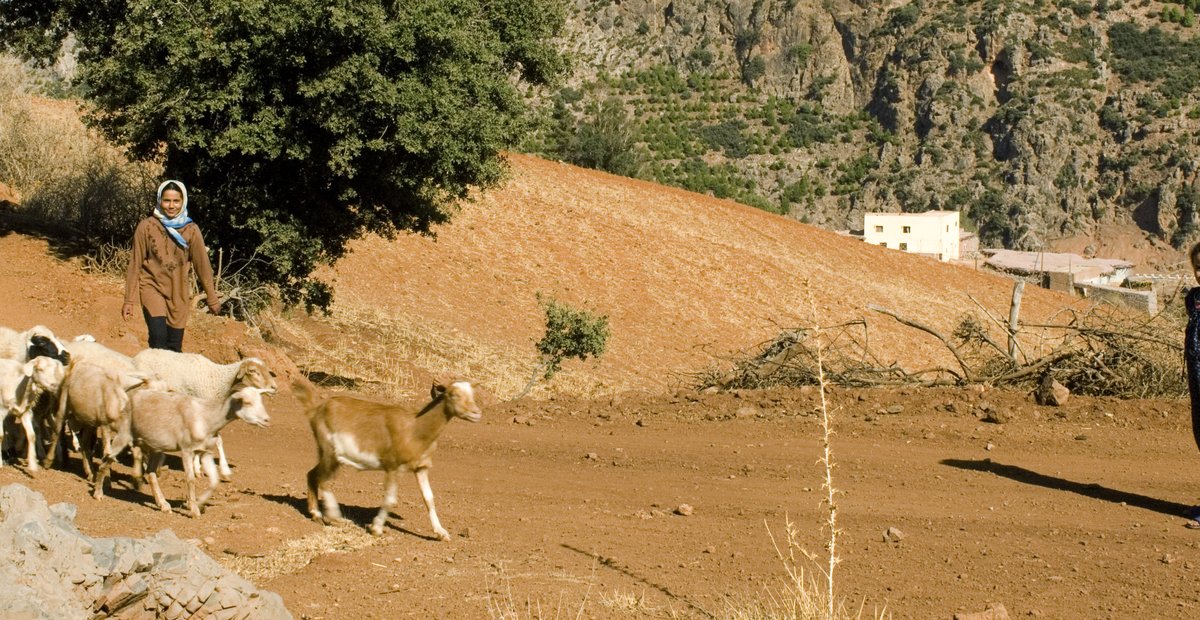
Active travel is often misunderstood. It is frequently reduced to effort, performance, or adventure for its own sake. But in its deeper sense, active travel is not about doing more — it is about perceiving more. At Sarah Tours, we understand active travel as a cultural practice: a way to engage with landscapes, histories, and communities through movement, presence, and time.
Movement as a Way of Knowing Before maps, before borders, before vehicles, humans understood the world by moving through it. Walking, riding, and crossing landscapes were not activities; they were methods of survival, trade, communication, and learning. Active travel reconnects us to our original relationship with place. Walking slows perception. Riding restores rhythm. Overland travel gives distance its meaning. When the body is involved, understanding deepens.
Walking, Hiking, and Trekking: Attention in Motion
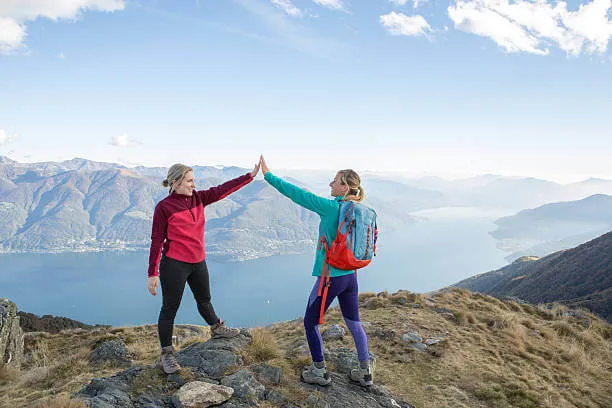
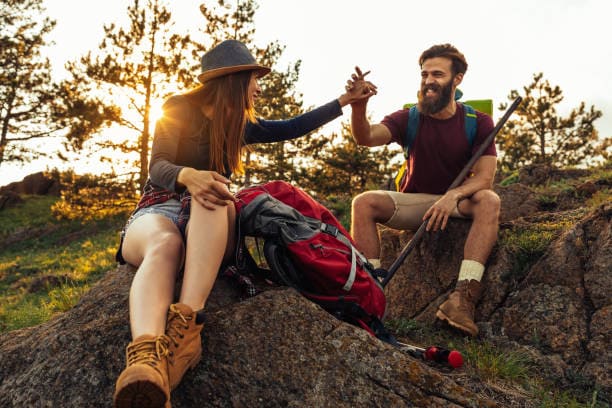
Walking is the most human pace of travel. It allows us to notice transitions — in architecture, vegetation, language, and social life — that faster travel erases. In this sense, hiking and trekking are not sports. They are forms of attention. They allow conversation, silence, observation, and repetition. They welcome all ages and abilities when designed with care. Walking teaches us that landscapes are not scenery; they are lived spaces shaped by history and daily labor.
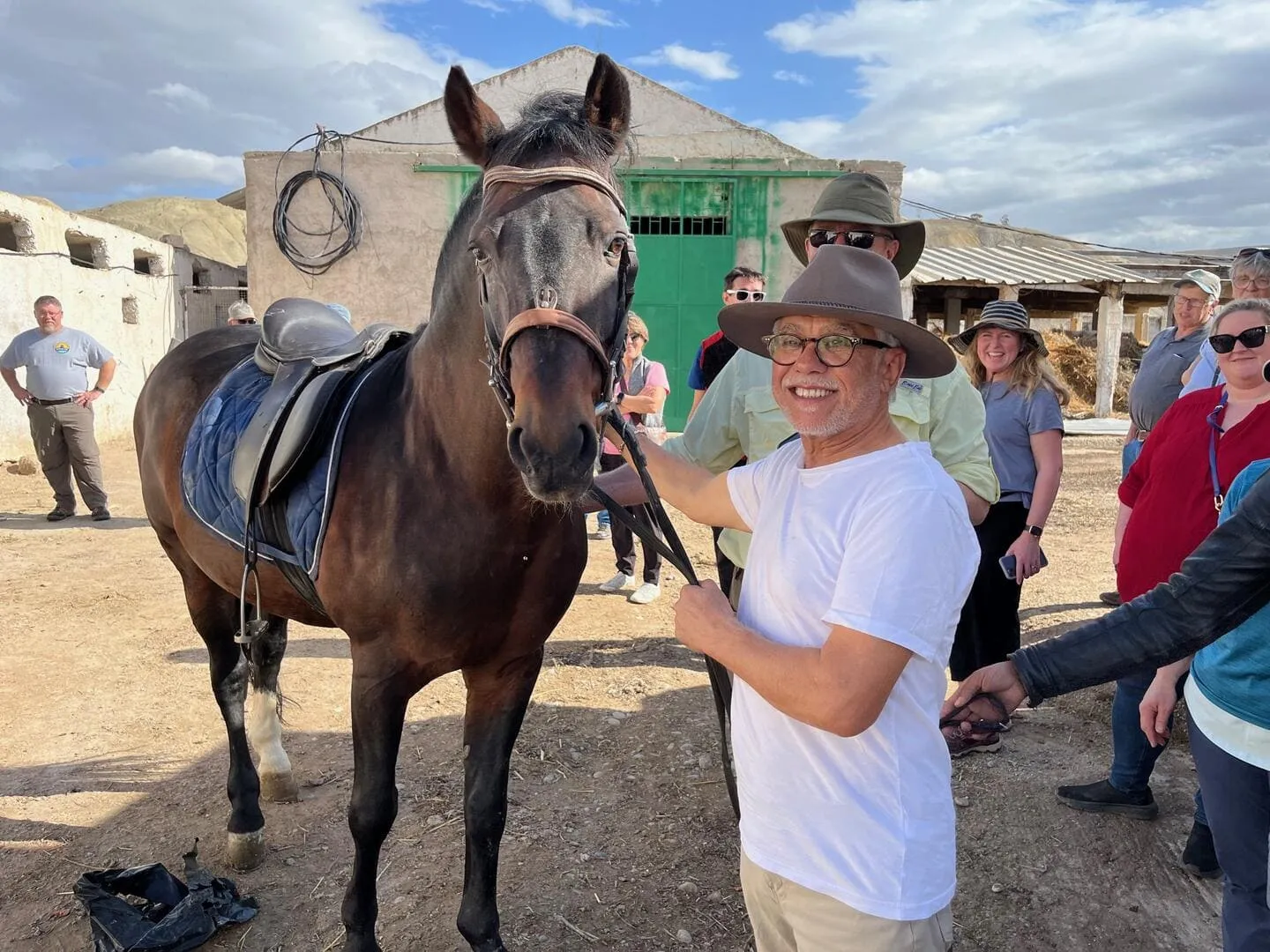
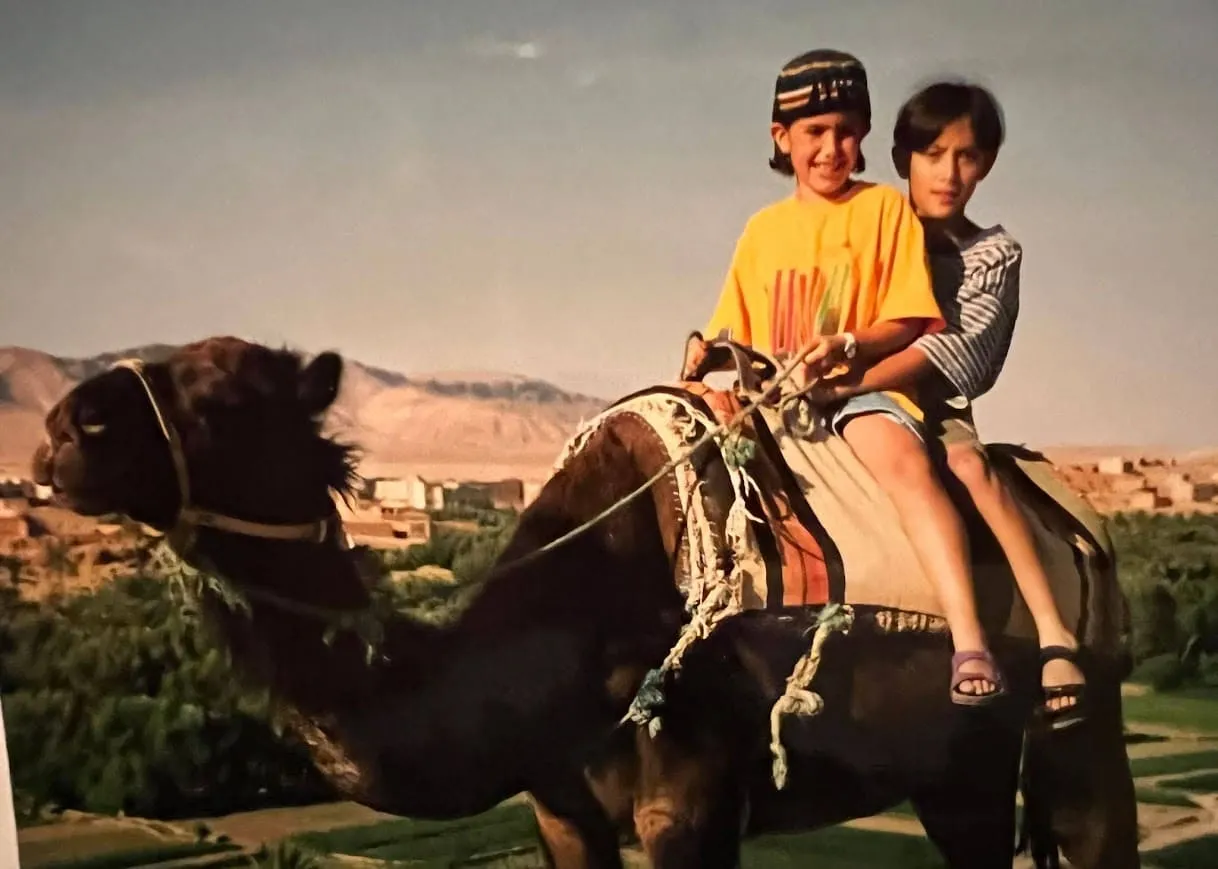
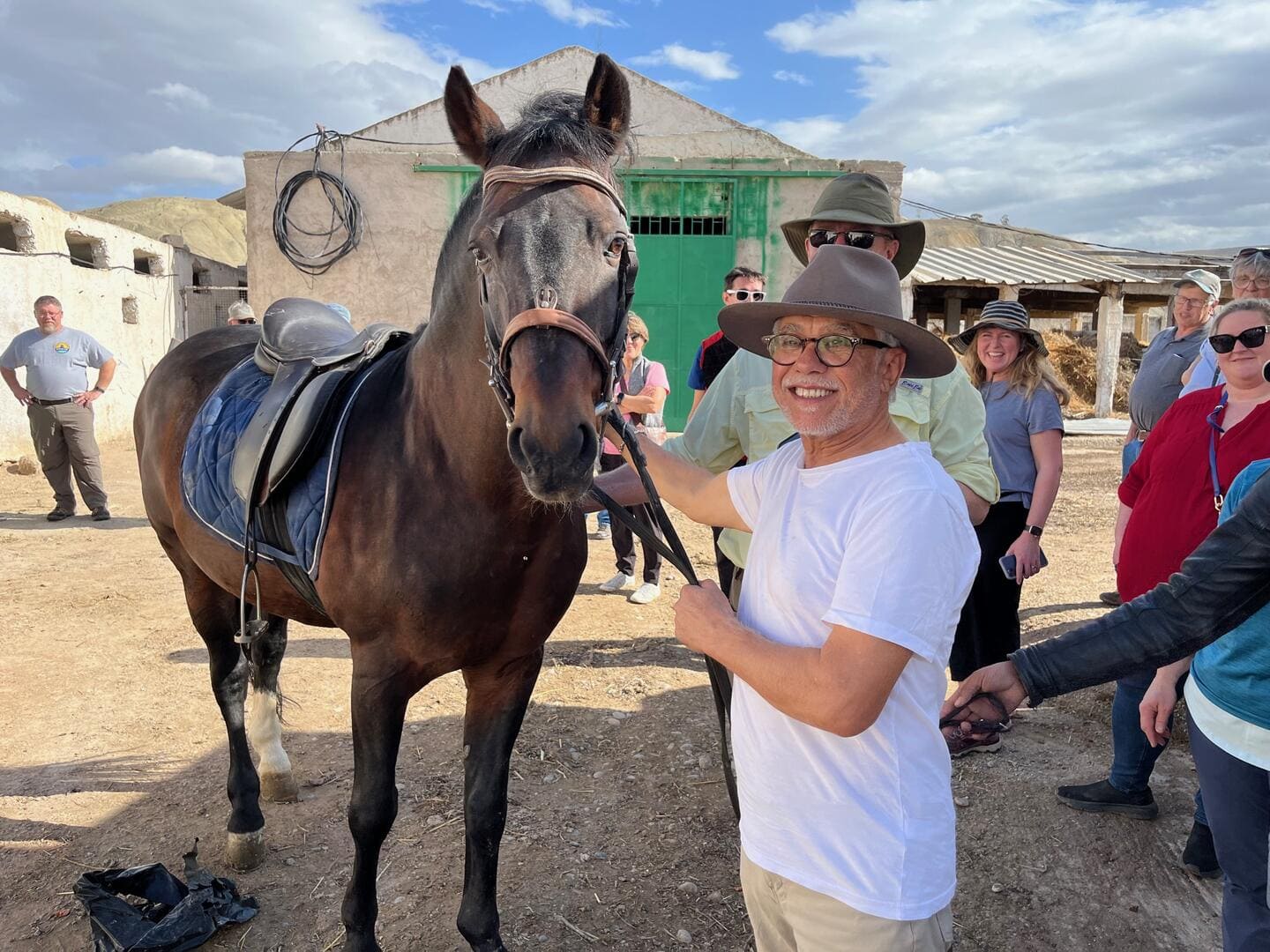
Horse and Camel Riding: Following Ancient Rhythms Horseback and camel travel are not novelties. They are historical modes of movement, deeply tied to trade routes, migration, and survival. Following animal trails is a way to read the land as it was once read by water sources, passes, winds, and the distance between rest points. These journeys access regions that mass tourism never reaches, not because they are hidden, but because they require patience and respect. Here, movement becomes memory.
Overland Travel: Restoring Meaning to Distance Overland travel is not about comfort or speed. It is about transition. Traveling by truck or Land Cruiser across natural and historical landmarks restores a sense of scale. Borders are crossed slowly. Landscapes unfold gradually. Cultures shift in ways that feel earned rather than consumed. In small groups, overland journeys become shared learning spaces — where geography, history, and human adaptation reveal themselves between destinations.
Active Travel Is Not About Age or Performance
One common misconception about active travel is that it is for the young or the extreme. In truth, active travel is about attitude, not endurance. At Sarah Tours, journeys are adapted, not imposed. Effort and leisure coexist. Rest, nourishment, and rhythm are as important as movement. This allows travelers of diverse ages, abilities, and interests to engage actively with the place in ways that feel respectful and sustainable.
Leisure and Research Can Coexist Active travel can be restorative and joyful, but it can also be a method of inquiry. Walking through agricultural landscapes teaches about food systems. Crossing caravan routes reveals trade history. Camping in remote regions deepens ecological awareness. For travelers with academic, professional, or research interests, movement becomes a way of asking better questions — not from distance, but from within the landscape itself.
Three Ways to Approach Active Travel Active travel can be understood through three complementary lenses: • Professionally — through thoughtful design, safety, pacing, and logistics • Academically — through human geography, history, ecology, and anthropology • Philosophically — through reflection on time, body, presence, and perception These approaches are not separate. Together, they form a comprehensive approach to engaging the world.
A Different Understanding of Activity Active travel, as we practice it, is not about accumulation or achievement. It is about learning through movement. It asks us to slow down, to notice, and to let the body become a bridge between landscape and understanding. It reminds us that travel does not begin with arrival; it begins with how we move.
This is not an adventure for its own sake. It is engagement, practiced carefully.
By Hamid Mernissi